
Views: 0 Author: Site Editor Publish Time: 2026-10-29 Origin: Site


Introduction
Snow loads are an important factor in solar mounting structure design, especially in regions with heavy winter snowfall. Accumulated snow adds extra weight to photovoltaic (PV) panels and mounting structures, potentially affecting structural stability and long-term performance.
To ensure reliable operation in snowy conditions, solar mounting systems should be designed according to local snow load requirements, site conditions, and structural specifications.
1. Increase Structural Load Requirements
Snow accumulation adds vertical pressure to solar panels and their supporting structures. If the mounting system cannot withstand the additional weight, excessive deflection or structural damage may occur.
When designing a solar mounting structure, engineers should consider the expected snow load together with the weight of the PV modules, mounting components, and other applicable loads.
2. Select Suitable Structural Materials
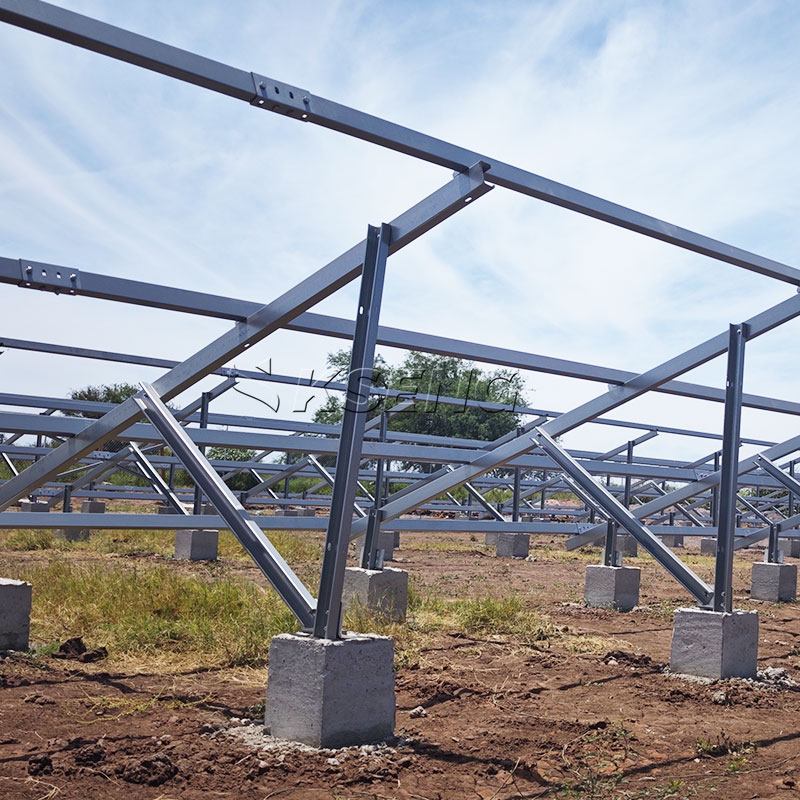
Material selection directly affects the load-bearing capacity of a solar mounting system. Aluminum alloy and steel are commonly used for solar mounting structures, but their mechanical properties and structural applications differ.
Steel structures are often selected for projects requiring substantial load-bearing capacity. Aluminum alloy offers a lightweight option for suitable applications. The material grade, profile dimensions, and connection design should all meet the project's structural requirements.
3. Optimize Panel Tilt Angle and Layout
The tilt angle of solar panels can influence how snow accumulates and slides off the module surface. In some conditions, a steeper angle may encourage snow to slide away more easily.
However, panel layout and tilt angle should also account for solar radiation, wind exposure, available installation space, and structural loads. The final design should balance energy generation and snow-related requirements.
4. Consider Roof and Ground Installation Conditions
Snow loads affect solar mounting structures differently depending on the installation location. For rooftop systems, the existing roof structure should be evaluated to ensure it can support the additional weight of accumulated snow and solar equipment. For ground-mounted systems, foundation conditions and support stability should be considered under expected snow loads.
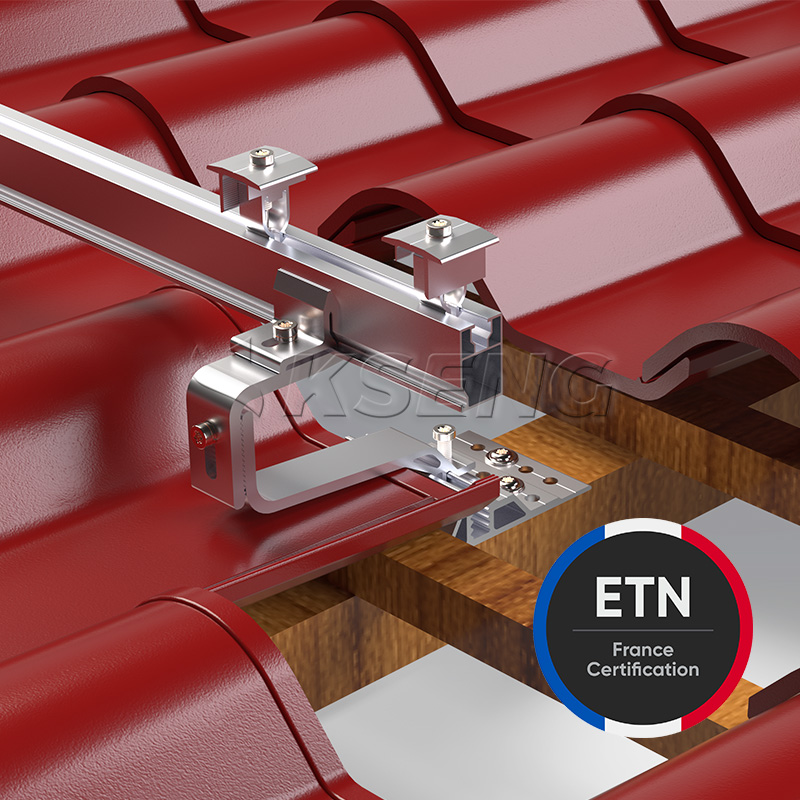
The mounting design should account for the load-bearing capacity of the installation surface to ensure reliable structural support in snowy environments.
5. Consider Local Snow Conditions
Snow loads vary significantly by location. Factors such as snowfall intensity, snow density, roof or ground conditions, and local building codes can influence the design requirements.
Solar mounting structures installed in areas with heavy snowfall should be evaluated using the applicable local design standards. Site-specific conditions are essential for determining appropriate structural specifications.
6. Evaluate Structural Safety and Durability
A solar mounting system should maintain reliable performance under expected snow loads throughout its service life. Structural calculations should consider relevant load combinations, including snow and wind loads
Material quality, corrosion protection, connection strength, and installation accuracy also contribute to long-term structural durability.
Conclusion
Snow loads play an important role in solar mounting structure design, influencing material selection, panel tilt angle, installation conditions, and overall structural safety. Proper evaluation of local snow conditions, roof or ground support capacity, and applicable design standards helps ensure structural stability and reliable PV panel support in snowy environments.
Kseng offers solar mounting systems featuring practical structural designs and reliable photovoltaic panel support. Our products are designed for structural stability and long-term durability in outdoor environments.
FAQs
1. What is snow load in solar mounting system design?
Snow load refers to the weight of accumulated snow acting on solar panels and their supporting structures. It is an important factor in determining structural strength and stability.
2. Why are snow loads important for solar mounting structures?
Accumulated snow increases the weight and pressure on mounting structures. Insufficient load-bearing capacity may lead to excessive deflection, deformation, or structural damage.
3. Which solar mounting materials are suitable for snowy regions?
Steel and aluminum alloy are commonly used. Material selection should consider mechanical strength, structural design, corrosion resistance, and project requirements.
4. What is the recommended solar panel tilt angle for snowy areas?
There is no universal recommended angle. The appropriate tilt should consider local snowfall, solar radiation, wind conditions, structural loads, and installation requirements.
5. Does solar panel tilt angle affect snow accumulation?
Yes. Panel tilt angle influences how snow accumulates and slides off the module surface. Steeper angles may encourage snow shedding under suitable conditions.
6. How can snow accumulation on solar panels be reduced?
Appropriate panel tilt angles, suitable layouts, and smooth module surfaces may help snow slide off. Actual performance depends on weather and installation conditions.



