


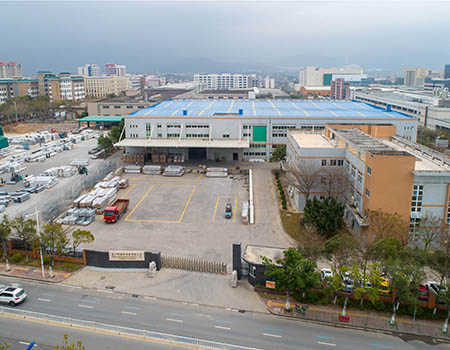
We are continuously striving to improve the quality of our management systems that enables Kseng Solar to produce safe and reliable products while ensuring products and performance will be of customers satisfaction.





IntroductionThe structural strength of a solar panel mounting system directly affects the safety, durability, and long-term performance of a photovoltaic (PV) installation. Solar mounting structures must support PV modules while withstanding wind, snow, rain, temperature changes, and other environme

Cantilever vs multi-column solar carports—compare stability, costs, parking flow, and weather resilience to pick the right commercial structure.

1P vs 2P solar trackers: Which fits your site? Compare foundation CapEx, wind engineering, and O&M trade-offs to minimize project LCOE.

Avoid costly ground-mount solar failures. Learn foundation selection, racking materials, and utility-scale procurement tips to protect ROI.

Compare East-West vs South flat roof solar mounting to maximize density, reduce ballast, and match TOU rates. Choose the right non-penetrating system.

Installing solar on a tile roof? Discover expert mounting strategies for clay and concrete to prevent crushed tiles, leaks, and voided warranties.

IntroductionSolar mounting systems are continuously exposed to outdoor conditions throughout the life of a photovoltaic (PV) project. In coastal areas, deserts, high-wind regions, snowy locations, and industrial environments, mounting structures may face stronger corrosion, wind, temperature fluctua

At Phase 1 of the 140th Canton Fair, Kseng Solar’s booth has attracted a steady stream of visitors, with many exploring our full range of solar racking systems including roof mounts, ground mounts, solar carports and easy solar bracket, and discussing potential partnerships for upcoming solar projects.

IntroductionA solar ground mounting system provides essential structural support for photovoltaic (PV) panels. Its service life directly affects system reliability, maintenance costs, and the long-term return on investment of a solar project.Several factors influence the durability of solar ground m

Background OverviewA 2MW commercial rooftop solar project in Uzbekistan has adopted Kseng Solar's metal roof mounting solution, featuring standing seam roof clamps paired with H-type solar rails to provide robust mounting support.The system was selected for its cost-effective design, fast installati



