
Views: 0 Author: Site Editor Publish Time: 2026-07-23 Origin: Site


As the global demand for renewable energy continues to grow, selecting the right solar panel mounting systems is just as important as choosing high-efficiency photovoltaic (PV) modules. A mounting system serves as the structural backbone of every solar installation, supporting solar panels safely and securely for more than 25 years while withstanding wind, snow, rain, and harsh environmental conditions.
One of the most critical factors affecting the performance and longevity of a solar mounting system is the material used. Different materials offer unique advantages in terms of strength, corrosion resistance, weight, installation efficiency, and lifecycle costs.
This guide explores the four most widely used materials in modern solar panel mounting systems—aluminum alloy, Zn-Al-Mg coated steel, hot-dip galvanized steel, and stainless steel—to help developers, EPC contractors, and installers choose the best solution for their projects.
The durability and reliability of a solar mounting structure largely depend on the quality of its materials. A well-designed mounting system should maintain structural integrity throughout decades of outdoor exposure while minimizing maintenance requirements.
Choosing the right material offers several key benefits:
Improved structural stability
Enhanced corrosion resistance
Longer service life
Lower maintenance costs
Faster installation
Better return on investment
Compliance with international engineering standards
Since solar projects are installed in diverse environments—from coastal regions and deserts to snowy mountains and humid agricultural land—material selection should always consider local climate and project requirements.
Aluminum alloy has become the preferred material for many rooftop solar mounting systems due to its lightweight design and excellent corrosion resistance.
Lightweight and easy to transport
Excellent corrosion resistance
High strength-to-weight ratio
Attractive appearance
Easy installation
100% recyclable
Minimal maintenance
Residential rooftop solar systems
Commercial rooftops
Industrial buildings
Coastal installations
Distributed PV projects
Because aluminum significantly reduces roof loading, it enables quicker installation while maintaining excellent structural performance.
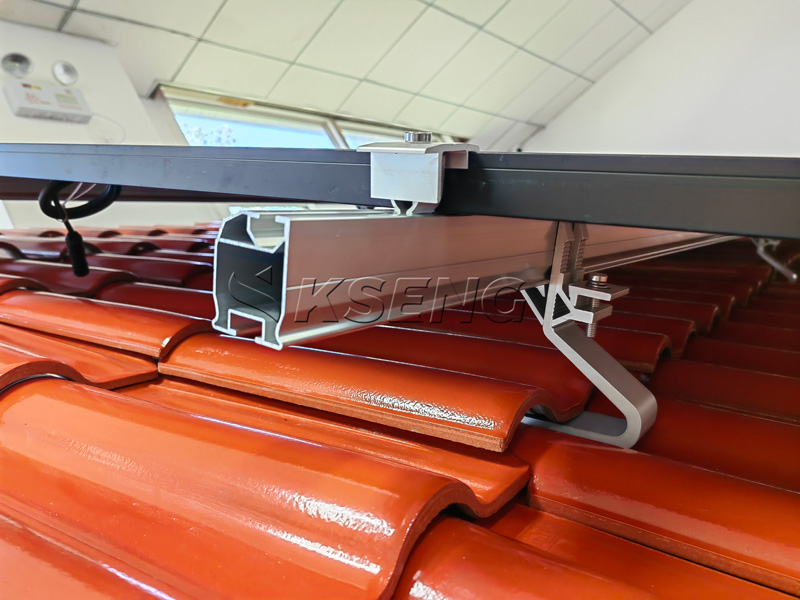
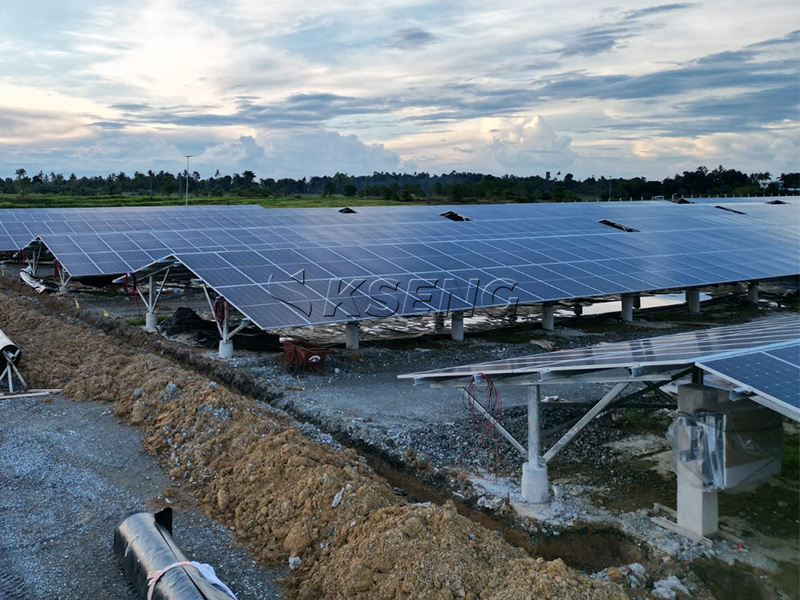
Zn-Al-Mg coated steel (Zinc-Aluminum-Magnesium coated steel), also known as ZAM steel, has become one of the fastest-growing materials in the solar industry. Compared with conventional galvanized steel, it offers significantly improved corrosion resistance and self-healing capabilities, making it an ideal choice for long-term outdoor applications.
Its protective coating contains zinc, aluminum, and magnesium, creating a dense corrosion-resistant layer that effectively protects the steel substrate even after cutting or drilling.
Outstanding corrosion resistance
Self-healing protection on cut edges
Longer service life
High structural strength
Reduced maintenance costs
Excellent performance in harsh environments
Lower lifecycle costs
Utility-scale solar farms
Ground mount solar systems
Agrivoltaic projects
Floating PV support structures
Coastal solar installations
High-humidity regions
Desert solar projects
As utility-scale solar projects continue to expand worldwide, Zn-Al-Mg coated steel is becoming an increasingly popular material for solar racking systems that require long-term durability and cost efficiency.
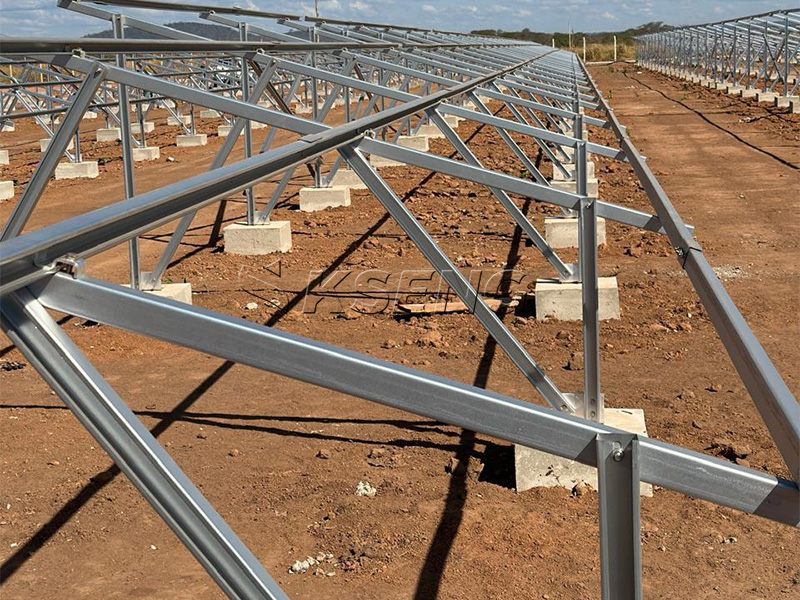
Hot-dip galvanized steel has long been a trusted material for ground mount solar systems due to its high strength and competitive cost.
A thick zinc coating provides reliable protection against corrosion while maintaining outstanding load-bearing capacity.
Excellent mechanical strength
High wind resistance
Superior snow load performance
Cost-effective
Proven reliability
Suitable for large-scale structures
Utility-scale PV plants
Ground-mounted solar farms
Agricultural solar projects
Large commercial installations
Hot-dip galvanized steel remains an economical choice for projects requiring robust structural support.
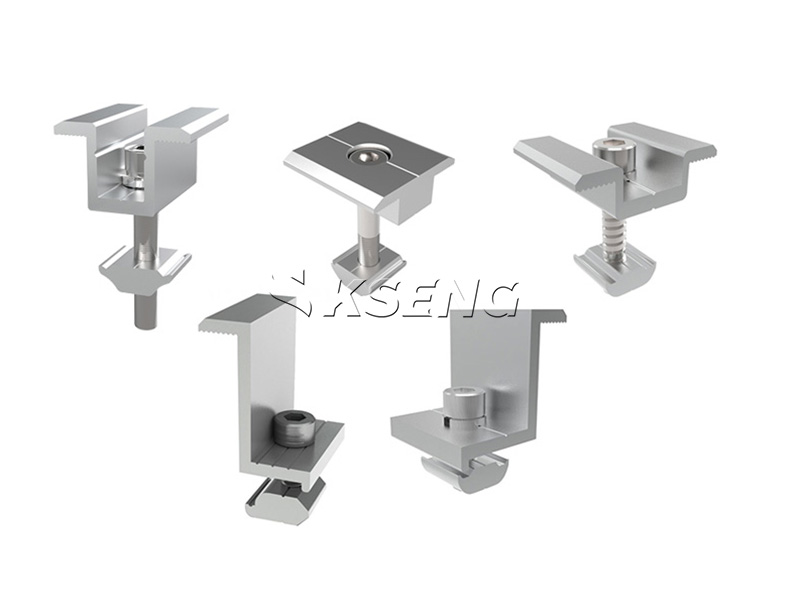
Although stainless steel is typically not used for entire support structures, it is essential for connection components that ensure the stability and safety of PV mounting systems.
Exceptional corrosion resistance
High mechanical strength
Long service life
Low maintenance
Excellent durability
Bolts
Nuts
Washers
Clamps
Connectors
Fastening accessories
High-quality stainless steel components help maintain secure connections throughout the lifetime of the solar installation.
| Material | Corrosion Resistance | Structural Strength | Weight | Typical Applications |
|---|---|---|---|---|
| Aluminum Alloy | Excellent | High | Lightweight | Rooftop solar mounting systems |
| Zn-Al-Mg Coated Steel | Excellent | Excellent | Medium | Ground-mounted and utility-scale projects |
| Hot-Dip Galvanized Steel | Very Good | Excellent | Heavy | Utility-scale solar farms |
| Stainless Steel | Excellent | Excellent | Medium | Fasteners and accessories |
The surrounding environment should be the first consideration when selecting materials.
For example:
Coastal areas require exceptional corrosion resistance.
Desert regions demand resistance to high temperatures and sand abrasion.
Snowy climates require stronger structural capacity.
High-wind areas need reinforced support systems.
Humid environments benefit from advanced anti-corrosion coatings such as Zn-Al-Mg.
Selecting materials based on environmental conditions significantly improves long-term system reliability.
Different installation scenarios have different structural requirements.
Aluminum alloy is often preferred because its lightweight design minimizes roof loads while simplifying installation.
Zn-Al-Mg coated steel and hot-dip galvanized steel provide the structural strength required for utility-scale installations.
A combination of aluminum and steel offers an ideal balance of strength, durability, and aesthetics.
While initial investment is important, lifecycle cost provides a more accurate measure of long-term value.
Aluminum requires less maintenance.
Zn-Al-Mg coated steel offers longer service life with reduced maintenance expenses.
Galvanized steel provides excellent cost-performance for large projects.
Stainless steel improves fastening reliability with minimal additional cost.
Considering total ownership costs helps maximize project profitability.
Most PV systems are designed to operate for 25 to 30 years or longer.
Using premium solar mounting materials helps reduce:
Corrosion
Structural deformation
Maintenance frequency
Component replacement
Downtime
High-quality materials protect both the mounting structure and the solar modules throughout the project's lifetime.
Kseng Energy is a leading manufacturer of solar panel mounting systems, providing comprehensive mounting solutions for residential, commercial, industrial, and utility-scale PV projects worldwide.
Our product portfolio includes:
Rooftop Solar Mounting Systems
Ground Solar Mounting Systems
Solar Carport Systems
Solar Tracking Systems
BIPV Mounting Systems
Solar Mounting Accessories
To meet the diverse requirements of global markets, Kseng Energy manufactures mounting systems using premium aluminum alloy, Zn-Al-Mg coated steel, hot-dip galvanized steel, and stainless steel. Every solution is engineered to deliver outstanding structural performance, corrosion resistance, installation efficiency, and long-term reliability.
With advanced manufacturing capabilities, rigorous quality control, and continuous innovation, Kseng Energy helps customers maximize the performance and return on investment of their solar projects while supporting the global transition to clean energy.
Choosing the right material is essential for maximizing the safety, durability, and long-term performance of solar panel mounting systems. Aluminum alloy offers lightweight installation and excellent corrosion resistance for rooftop applications, while Zn-Al-Mg coated steel provides next-generation corrosion protection and long service life for utility-scale projects. Hot-dip galvanized steel remains a proven solution for high-strength applications, and stainless steel ensures reliable fastening throughout the system's lifetime.
By considering climate conditions, installation type, structural requirements, and lifecycle costs, project developers can select the most suitable solar mounting materials for every application.
As a trusted global supplier, Kseng Energy is committed to delivering innovative, high-quality solar mounting systems that help customers build reliable and efficient solar projects around the world.



