
Views: 0 Author: Site Editor Publish Time: 2026-11-27 Origin: Site


Introduction
The load capacity of solar mounting structures is an important factor affecting the safety, stability, and long-term performance of photovoltaic (PV) installations. Solar mounting systems must withstand various loads during operation, including wind pressure, snow accumulation, the weight of solar panels, and other environmental forces.
Understanding the factors that determine load capacity helps project developers and installers select suitable solar mounting structures for different installation environments.
1. Material Strength and Structural Properties
The materials used in solar mounting structures directly affect their load-bearing capacity. Aluminum alloy and steel are commonly used because of their structural strength and outdoor durability.
Steel structures generally offer high strength and stiffness, while aluminum alloy structures feature a lightweight design and good corrosion resistance. Material thickness, cross-sectional dimensions, and mechanical properties also influence the overall structural performance.
2. Wind Load Requirements
Wind load is one of the major factors considered in solar mounting structure design. Strong winds can create pressure and uplift forces on solar panels and supporting components.
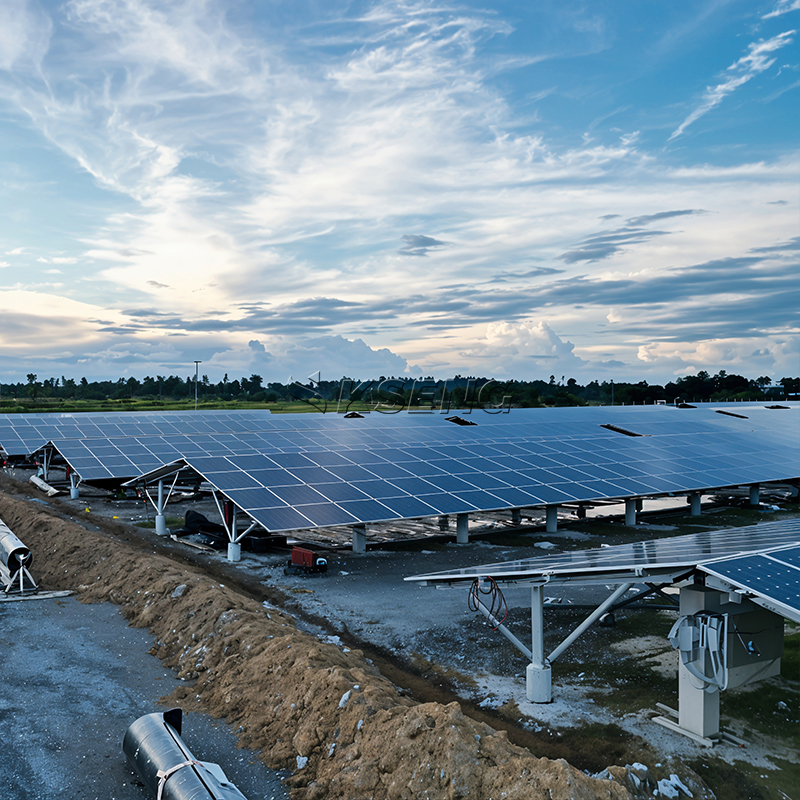
The required wind resistance depends on local wind speed, installation height, panel tilt angle, and site exposure conditions. Proper structural design and secure connections help maintain system stability under expected wind loads.
3. Snow Load Conditions
In regions with heavy snowfall, accumulated snow adds extra weight to solar panels and mounting structures. This additional pressure may affect rails, support brackets, posts, and foundation systems.
Solar mounting structures should be designed according to local snow load requirements. Appropriate support spacing and structural configurations help distribute loads and maintain reliable support.
4. Structural Design and Component Dimensions
The configuration of a solar mounting system has a direct influence on its load capacity. Important design factors include support spacing, rail dimensions, post size, bracing arrangements, and connection methods.
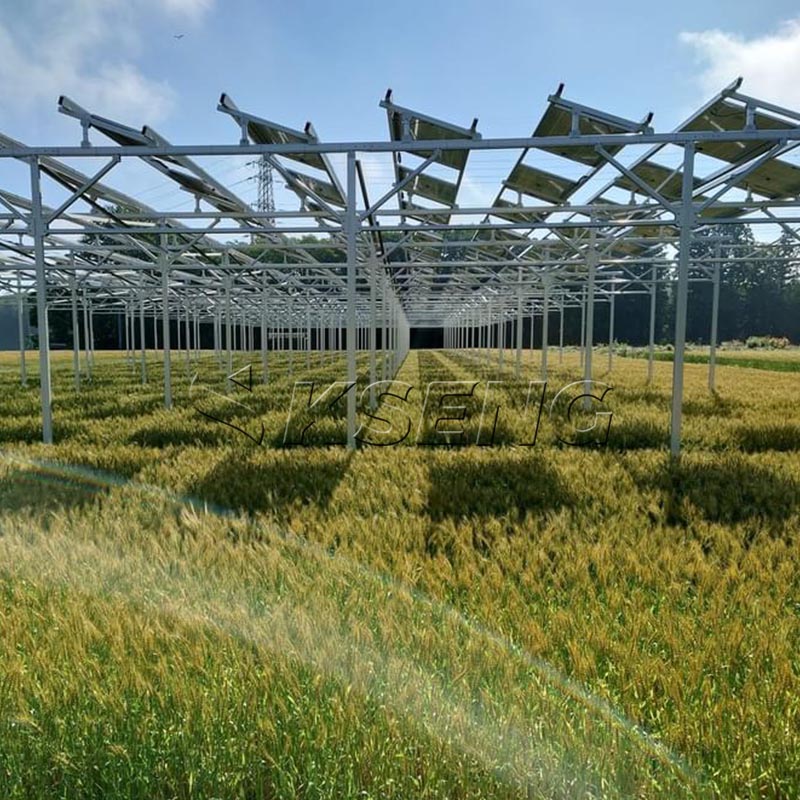
Well-designed structural components help distribute loads effectively and reduce excessive deformation. Properly designed connections are also essential for maintaining the overall stability of the mounting system.
5. Foundation and Ground Conditions
The foundation plays an important role in transferring structural loads safely to the ground. Different foundation methods, such as ground screws, driven piles, and concrete foundations, have different load-bearing characteristics.
Soil type, bearing capacity, groundwater conditions, and installation depth should be evaluated when selecting a suitable foundation. Proper foundation design helps prevent excessive settlement, movement, and structural instability.
6. Installation Quality and Fastener Connections
Even a well-designed solar mounting structure may experience performance problems if components are installed incorrectly.
Incorrect bolt tightening, loose connections, improper alignment, and unsuitable fasteners can reduce the effective load capacity of the system. Following installation specifications and using compatible mounting components help maintain structural integrity.
Conclusion
The load capacity of solar mounting structures depends on several factors, including material properties, wind and snow loads, structural configuration, foundation conditions, and installation quality. Each factor should be evaluated according to the specific project environment and applicable design requirements.
Kseng offers solar mounting systems featuring practical structural designs, reliable support capabilities, and durable materials for photovoltaic installations. Proper product selection and structural design help support stable and long-lasting solar mounting performance.
FAQs
1. How Is the Load Capacity of a Solar Mounting System Calculated?
It is calculated by evaluating material properties, structural dimensions, applied loads, support conditions, and relevant engineering standards.
2. How Does Support Span Affect Solar Mounting Structure Load Capacity?
Longer support spans generally increase bending stress and deflection, making appropriate beam dimensions and support spacing important.
3. Does the Number of Solar Panels Affect Mounting Structure Load Capacity?
Yes, additional panels increase the total supported weight and may change the distribution of loads across the mounting structure.
4. How Does Corrosion Affect the Load-Bearing Performance of Solar Mounting Structures?
Corrosion can gradually reduce material thickness and weaken structural components, potentially affecting their load-bearing performance over time.
5. What Role Do Solar Mounting Rails Play in Load Distribution?
Solar mounting rails transfer loads from PV modules to the main supporting structure while helping maintain proper panel alignment.



