
Views: 0 Author: Site Editor Publish Time: 2026-11-13 Origin: Site


Introduction
Solar mounting brackets play an important role in supporting photovoltaic (PV) panels and maintaining the stability of solar installations. Since these brackets are continuously exposed to sunlight, rain, wind, humidity, and temperature changes, their durability directly affects the long-term performance of solar mounting systems.
Several factors determine how well solar brackets perform outdoors, including material selection, corrosion resistance, structural design, manufacturing quality, and environmental conditions.
1. Material Selection
Material selection is one of the most important factors affecting the durability of solar panel mounting brackets. Common materials include aluminum alloy, carbon steel, hot-dip galvanized steel, and Zn-Al-Mg coated steel.
Aluminum Alloy: Offers good corrosion resistance, a relatively low weight, and convenient handling.
Carbon Steel: Provides good mechanical strength and structural support for solar mounting applications.
Hot-Dip Galvanized Steel: Features a zinc protective coating that helps reduce corrosion during outdoor exposure.
Zn-Al-Mg Coated Steel: Combines zinc, aluminum, and magnesium coatings to provide enhanced corrosion protection.
Choosing suitable materials according to project requirements and environmental conditions helps improve the service life of solar panel brackets.
2. Surface Treatment and Corrosion Resistance
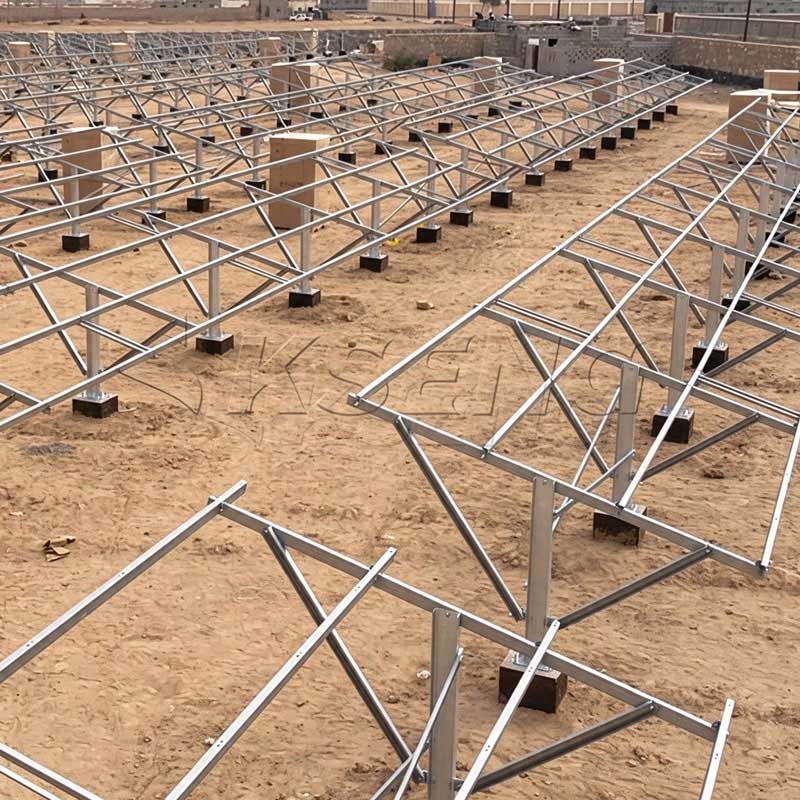
Solar brackets are exposed to moisture, rain, and other environmental factors that may cause corrosion over time.
Appropriate surface treatments help protect metal components from environmental damage. Galvanized coatings and Zn-Al-Mg coatings provide protective barriers against corrosion, while suitable surface finishes can improve the outdoor durability of aluminum components.
For projects in coastal or high-humidity areas, corrosion resistance should receive particular attention.
3. Structural Design and Load-Bearing Capacity
Structural design directly affects the stability and durability of solar panel brackets. A properly designed bracket should provide sufficient support for PV panels while accommodating local wind and snow loads.
Important design considerations include:
Bracket dimensions and thickness
Connection strength and fastening methods
Load distribution across supporting components
Structural stability under environmental loads
Proper structural design helps reduce excessive stress, deformation, and potential connection failures during long-term use.
4. Manufacturing Quality
Manufacturing quality also influences the durability of solar panel mounting brackets. Accurate dimensions, consistent material thickness, and reliable processing contribute to proper component fitting and stable connections.
Cutting, punching, bending, and welding processes should be properly controlled to maintain product accuracy. Suitable manufacturing procedures help reduce dimensional deviations and improve the overall quality of solar mounting components.
5. Environmental Conditions
Different installation environments place different demands on solar mounting brackets.
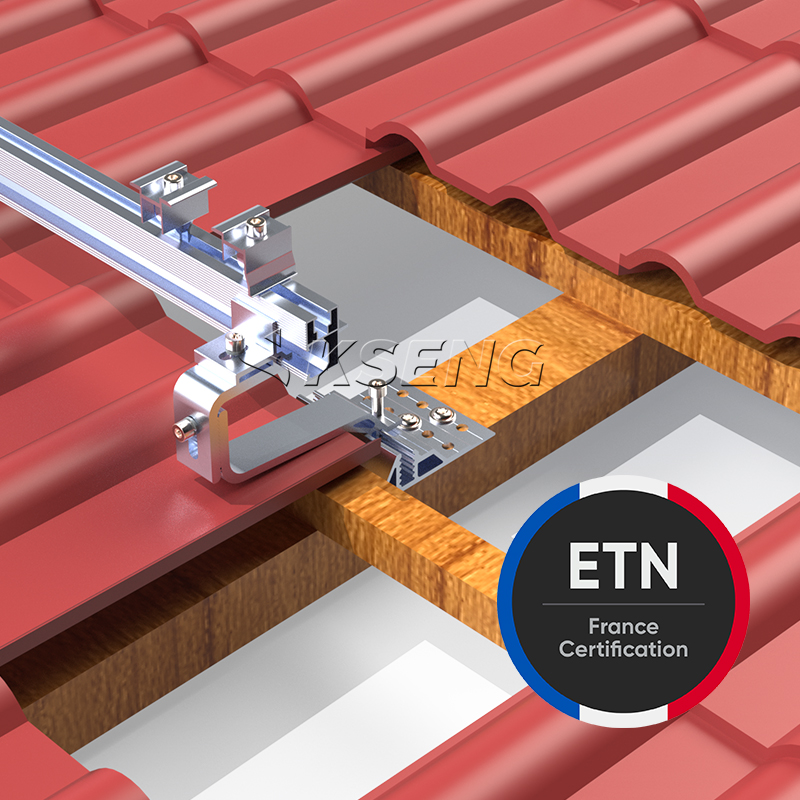
For example, coastal areas may have higher salt exposure, while regions with heavy rainfall or high humidity require greater attention to corrosion protection. Areas with strong winds or heavy snowfall also require appropriate structural design and load-bearing capacity.
Selecting suitable materials and bracket specifications according to local environmental conditions helps maintain long-term structural performance.
6. Installation and Maintenance
Correct installation is essential for achieving the expected durability of solar panel mounting brackets. Improper fastening, unsuitable accessories, and incorrect connection methods may affect structural stability.
Regular inspections can help identify loose fasteners, coating damage, corrosion, or other potential problems. Timely maintenance helps maintain the condition of solar mounting components throughout the system's service life.
Conclusion
The durability of solar mounting brackets in outdoor environments depends on several factors, including material selection, surface treatment, structural design, manufacturing quality, and installation conditions.
Choosing appropriate materials, reliable protective coatings, and suitable structural designs helps improve corrosion resistance and long-term performance.
Kseng offers solar mounting systems featuring practical structural designs, reliable support performance, and good outdoor durability for photovoltaic installations.
FAQs
1. What materials are commonly used for solar panel mounting brackets?
Common materials include aluminum alloy, carbon steel, hot-dip galvanized steel, and Zn-Al-Mg coated steel.
2. Why is corrosion resistance important for solar brackets?
Corrosion resistance helps protect metal components from moisture, rain, and other environmental factors, supporting long-term outdoor performance.
3. How does structural design affect solar panel bracket durability?
Proper structural design helps distribute loads, improve connection stability, and reduce the risk of deformation under environmental conditions.
4. How can the service life of solar mounting brackets be improved?
Selecting suitable materials, applying appropriate surface treatments, ensuring correct installation, and conducting regular inspections can help extend their service life.



