
Views: 0 Author: Site Editor Publish Time: 2026-11-20 Origin: Site


Introduction
Solar mounting systems used in cold regions must withstand challenging environmental conditions, including heavy snowfall, low temperatures, strong winds, and repeated freeze-thaw cycles. These factors can affect structural stability, material performance, and the long-term reliability of photovoltaic (PV) installations.
Choosing suitable solar mounting structures requires careful consideration of local climate conditions, material properties, foundation design, and structural requirements.
1. Snow Load and Structural Strength
Heavy snowfall is one of the main challenges for solar mounting systems in cold regions. Accumulated snow increases the vertical load on PV panels, rails, beams, and supporting structures.
When selecting a mounting system, engineers should consider:
Local design snow load requirements
Structural strength of support profiles
Beam span and support arrangements
Solar panel tilt angle and array configuration
Proper structural calculations help ensure that the mounting system can withstand expected snow loads without excessive deformation.
2. Material Performance at Low Temperatures
Low temperatures can influence the mechanical properties of certain materials. Material selection is therefore important for solar mounting structures installed in cold climates.
Common materials include aluminum alloy, carbon steel, hot-dip galvanized steel, and Zn-Al-Mg coated steel. Their strength, toughness, thermal expansion, and low-temperature performance should be evaluated according to project requirements.
Suitable material selection helps maintain structural reliability during seasonal temperature changes.
3. Foundation Design and Frozen Ground Conditions
Frozen soil and freeze-thaw cycles can affect foundation stability. Changes in soil volume and ground conditions may cause foundation movement or uneven settlement.
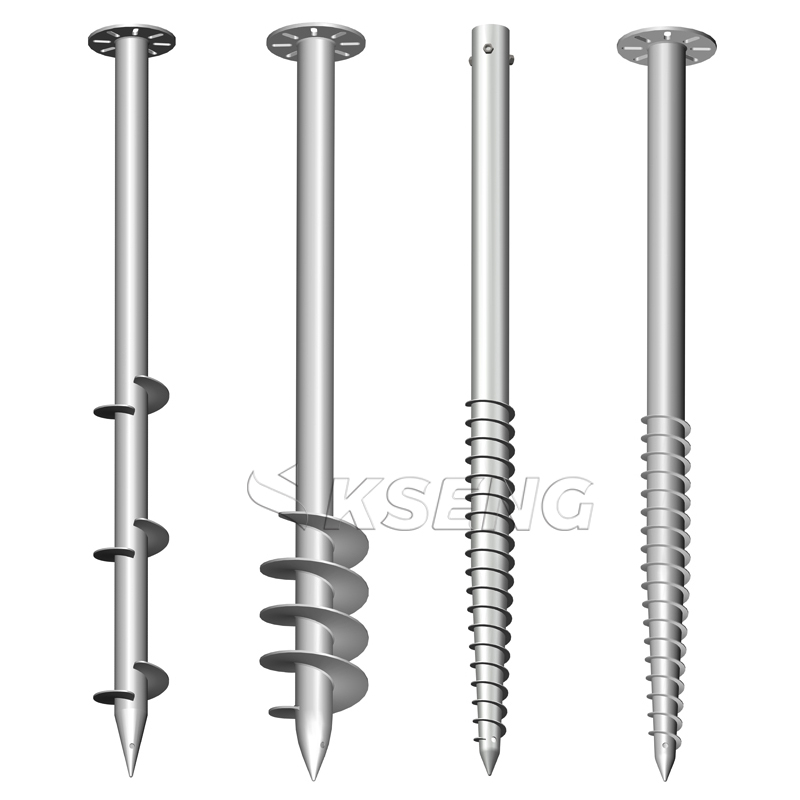
Common foundation options include ground screws, driven piles, and concrete foundations. The appropriate choice depends on soil composition, frost depth, groundwater conditions, and project requirements.
A proper site investigation helps determine suitable foundation depth and installation methods.
4. Wind Resistance and Structural Connections
Cold regions may also experience strong winds, snowstorms, and severe weather conditions. Wind pressure and uplift forces can place additional stress on solar mounting structures.
Reliable structural connections are essential for maintaining overall stability. Engineers should evaluate fasteners, clamps, connection points, and support configurations to ensure that the system can withstand the combined effects of environmental loads.
5. Corrosion Protection and Surface Treatment
Moisture, snow, ice, and temperature fluctuations can increase corrosion risks, particularly around exposed steel components and connection areas.
Suitable surface treatments help protect solar mounting structures during long-term outdoor exposure.
Common options include:
Hot-dip galvanizing for steel structures
Zn-Al-Mg coating for enhanced corrosion protection
Anodizing for aluminum alloy components
The appropriate surface treatment should be selected according to local environmental conditions and project specifications.
6. Thermal Expansion and Connection Design
Solar mounting materials expand and contract as temperatures change. In cold regions, repeated temperature fluctuations can affect component dimensions and connection conditions.
Proper connection design should account for thermal movement and help prevent excessive stress between structural components. Suitable fastening arrangements also contribute to long-term system stability.
7. Installation and Maintenance Requirements
Cold weather can make transportation, handling, and installation more challenging. Snow-covered ground, frozen soil, and low working temperatures may affect construction schedules and installation efficiency.
Project planners should consider seasonal installation conditions, equipment accessibility, and suitable maintenance arrangements. Regular inspections can also help identify loose connections, coating damage, and potential structural issues.
Conclusion
Solar mounting systems in cold regions require careful attention to snow loads, low-temperature material performance, foundation stability, wind resistance, corrosion protection, and thermal expansion. Evaluating these factors during the design stage helps improve structural reliability and long-term outdoor performance.
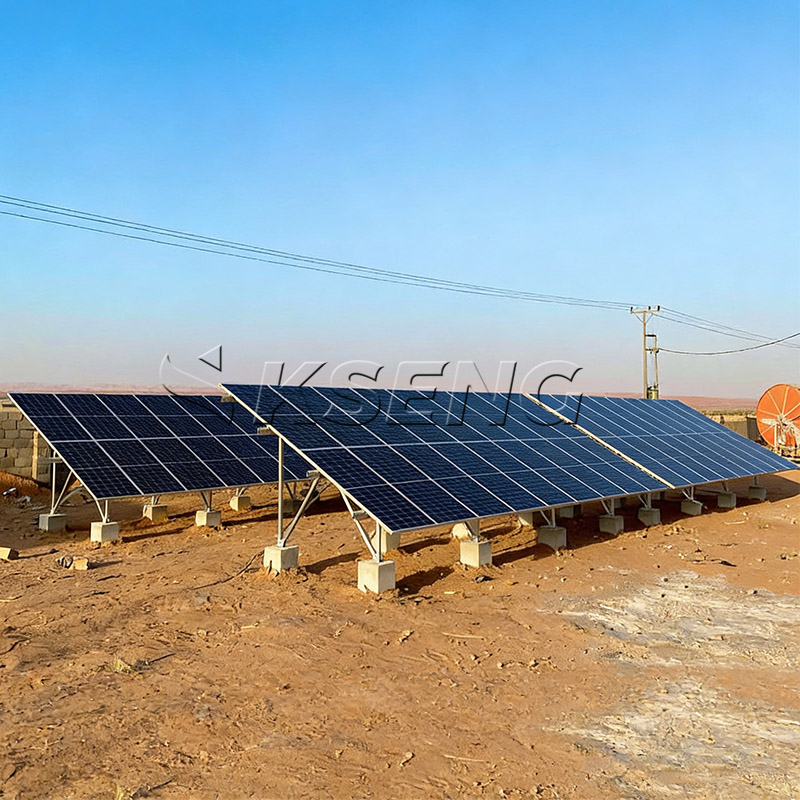
Kseng offers solar mounting systems featuring practical structural designs, reliable support performance, and good outdoor durability for photovoltaic installations. Proper material selection and structural planning help support solar projects operating under challenging cold-weather conditions.
FAQs
1. What is the biggest challenge for solar mounting systems in cold regions?
Heavy snow loads, low temperatures, frozen ground, and strong winds are among the main challenges affecting solar mounting structures.
2. Which materials are commonly used for solar mounting systems in cold climates?
Aluminum alloy, carbon steel, hot-dip galvanized steel, and Zn-Al-Mg coated steel are commonly used, depending on structural and environmental requirements.
3. How can the service life of solar mounting systems be improved in cold regions?
Appropriate material selection, effective surface protection, reliable structural connections, and regular inspections help reduce environmental damage and maintain long-term structural performance.
4. Why is corrosion protection important in snowy regions?
Snow and moisture can expose mounting components to prolonged wet conditions. Suitable surface treatments help reduce corrosion risks.
5. Can solar mounting structures expand and contract in cold weather?
Yes. Temperature changes cause materials to expand and contract. Proper connection design helps accommodate thermal movement and maintain structural stability.



