
Views: 0 Author: Site Editor Publish Time: 2026-06-18 Origin: Site


Solar mounting systems play a crucial role in the overall performance of photovoltaic installations. While solar panels are responsible for converting sunlight into electricity, the mounting system directly affects how efficiently those panels capture solar energy.
A well-designed solar mounting system can significantly improve energy output, system reliability, and long-term return on investment.
This article explains how solar mounting systems improve panel efficiency and overall energy production.
What Is a Solar Mounting System?
A solar mounting system is the structural framework that secures solar panels in place. It ensures correct positioning, stable support, and optimal exposure to sunlight.
These systems are commonly used in:
Rooftop solar installations
Ground mounted solar farms
Commercial and industrial projects
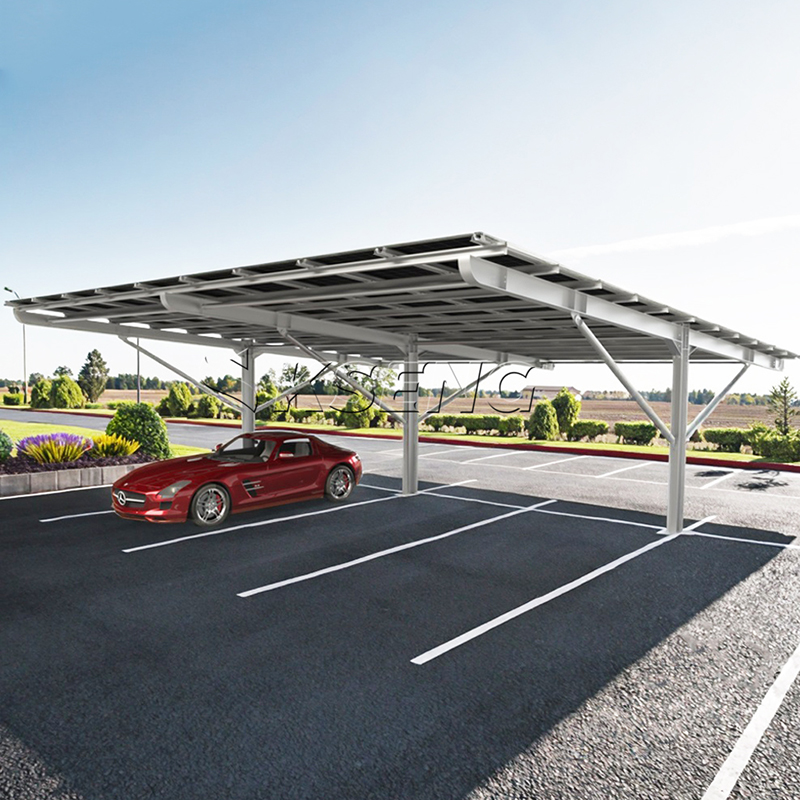
The design and installation quality of the mounting system directly influence solar panel performance.
1. Optimized Tilt Angle for Maximum Sunlight Exposure
One of the most important ways solar mounting systems improve efficiency is by setting the correct tilt angle.
Proper tilt ensures that solar panels receive maximum sunlight throughout the day.
Benefits include:
Increased solar radiation capture
Improved daily energy generation
Better seasonal performance balance
Incorrect tilt angles can significantly reduce system output, even with high-quality panels.
2. Optimized Solar Panel Orientation and Positioning
One of the key factors affecting solar energy output is the orientation and positioning of the solar panels, which is directly influenced by the design of the solar bracket system.
A properly engineered mounting structure ensures that solar panels are aligned at the most effective direction based on the installation location, allowing them to capture the maximum available sunlight throughout the day and across different seasons.
Benefits include:
Maximum utilization of available sunlight
Reduced impact from surrounding shading conditions
More stable and consistent energy output
For example, in the northern hemisphere, solar panels are typically installed facing south to achieve higher solar irradiation levels, which significantly improves overall system performance.
Incorrect orientation or poor positioning can reduce energy generation efficiency, even when using high-quality solar panels.
3. Reduced Shading and Obstruction Impact
Shading is one of the most common causes of reduced solar panel efficiency.
A well-engineered mounting system helps reduce shading by:
Optimizing panel spacing
Adjusting row height differences
Designing layouts that minimize obstruction
Even partial shading can significantly reduce output, making this factor critical for performance.
4. Enhanced Airflow and Temperature Control
Solar panel efficiency decreases as temperature increases.
Solar panel mounting systems improve airflow beneath panels, helping to:
Reduce heat buildup
Maintain optimal operating temperature
Improve overall electrical efficiency
Better ventilation directly contributes to higher energy output.
5. Structural Stability Ensures Consistent Performance
A stable mounting system keeps solar panels firmly in place under wind, snow, and other environmental conditions.
This stability ensures:
No movement or misalignment
Consistent sunlight exposure
Long-term system reliability
Unstable structures can cause gradual performance loss due to shifting panel angles.
6. Precision Engineering Improves Alignment Accuracy
Modern solar bracket mounting systems are designed with high precision components that ensure accurate panel alignment.
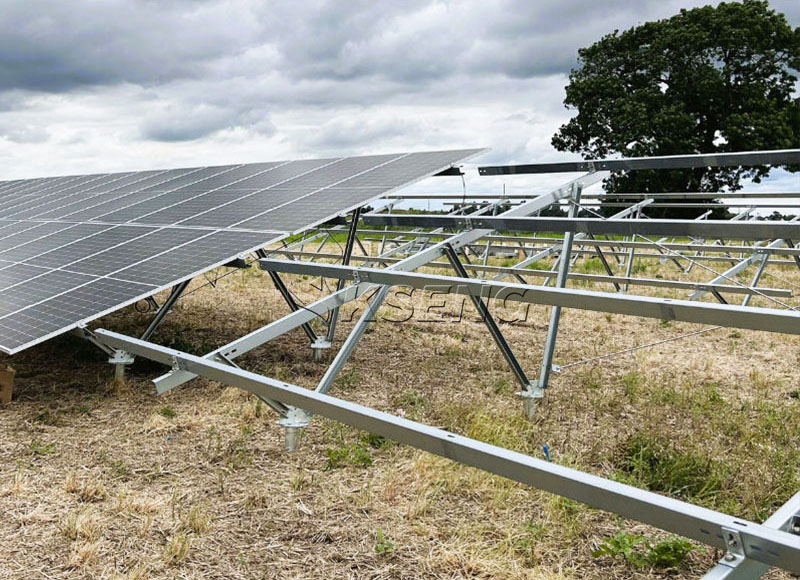
This improves efficiency by:
Maintaining consistent tilt angles
Ensuring uniform row alignment
Reducing installation errors
Accurate alignment helps maximize total system output across large installations.
7. Adaptability to Site Conditions
Different installation environments require different mounting strategies.
Solar mounting systems can be customized based on:
Roof type or ground conditions
Local wind and snow loads
Geographic solar radiation levels
This adaptability ensures optimal performance in diverse environments.
8. Reduced Energy Loss Over Time
High-quality mounting systems help maintain long-term performance by preventing:
Structural deformation
Panel misalignment
Corrosion-related instability
By maintaining correct positioning over years of operation, the system ensures stable energy output throughout its lifecycle.
Conclusion
Solar mounting systems play a vital role in improving panel efficiency and overall energy output. Through optimized tilt angles, improved airflow, reduced shading, and precise structural design, they ensure that solar panels operate at maximum performance.
A high-quality mounting system not only supports the panels physically but also enhances the entire solar system’s productivity, stability, and long-term value.
As solar installations continue to expand globally, the importance of optimized mounting system design will remain a key factor in maximizing renewable energy generation.



