
Views: 0 Author: Site Editor Publish Time: 2026-08-21 Origin: Site


Introduction
When evaluating a solar power project, most attention is usually focused on photovoltaic modules and inverters. However, the solar mounting system is also a key factor that influences overall energy generation performance.
A professional solar mounting system does more than provide structural support for solar panels. Its design affects panel positioning, sunlight exposure, system stability, and long-term operational efficiency. A well-engineered mounting solution helps solar projects achieve better energy output and higher investment value.
The Importance of Solar Mounting System Design
The primary function of a solar mounting system is to securely position photovoltaic modules and maintain their optimal operating conditions. Poor structural design may lead to incorrect panel angles, unstable installation, shading issues, and reduced energy performance.
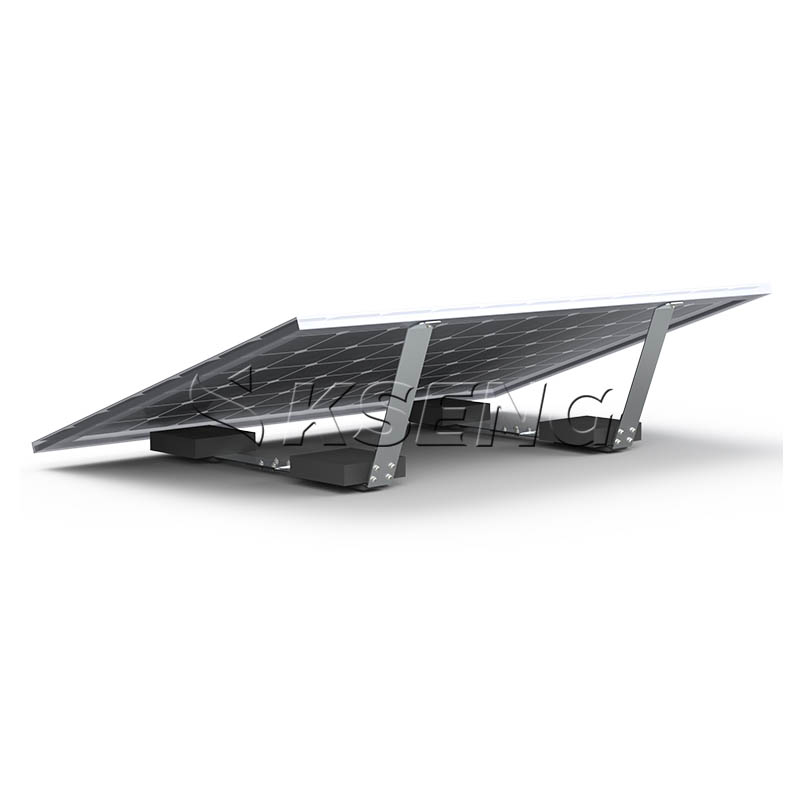
An optimized solar mounting system design helps achieve:
Better sunlight utilization
Improved solar panel positioning
Reduced shading losses
Enhanced structural stability
Longer system service life
By selecting the right mounting solution, solar project owners can improve energy generation efficiency while reducing potential maintenance issues.
How Panel Angle Affects Solar Energy Generation
The installation angle of solar panels directly influences the amount of sunlight received throughout the day. A suitable tilt angle allows photovoltaic modules to capture more solar radiation and improve power generation results.
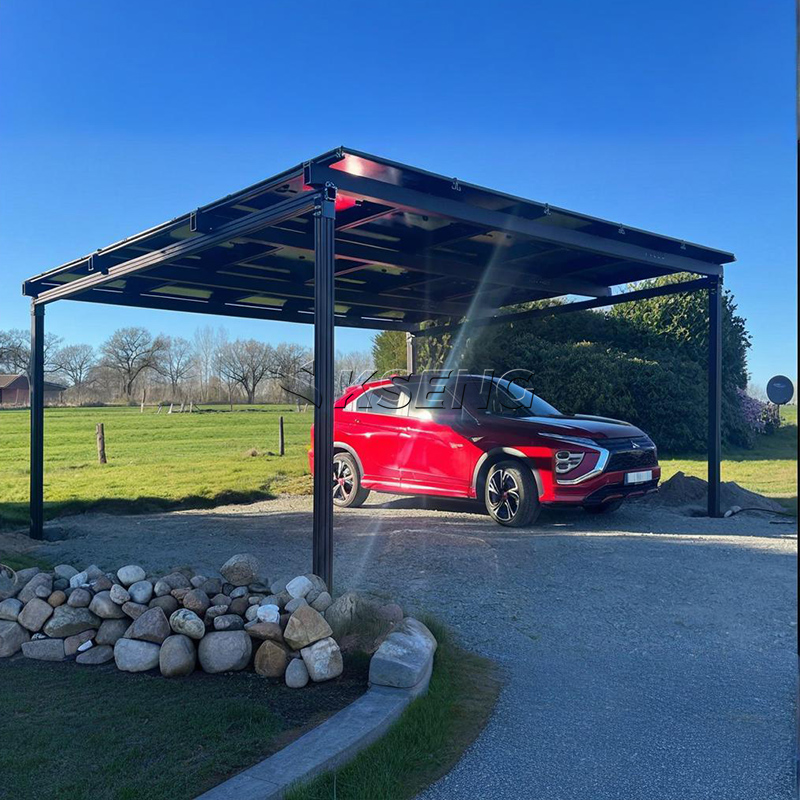
Different regions require different mounting designs based on geographical location, climate conditions, and project requirements. Professional solar mounting system manufacturers consider these factors to create suitable solutions for rooftop, ground-mounted, and solar carport applications.
A properly designed solar mounting structure ensures that panels remain at the ideal angle for stable and efficient solar energy production.
The Role of Panel Layout and Spacing
Solar mounting system design also affects the layout of photovoltaic modules. Proper spacing between solar panels helps reduce shading problems and improves sunlight access.
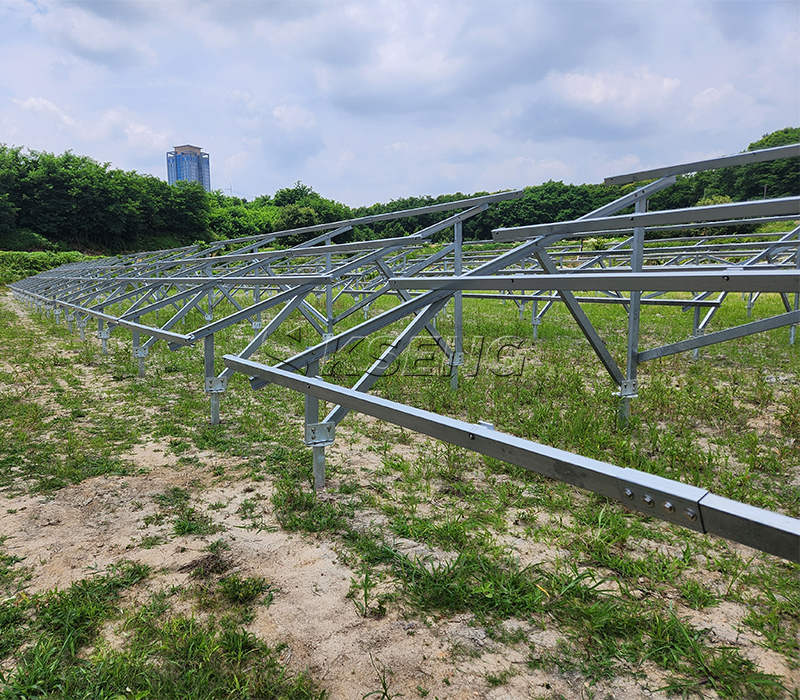
For ground mounted solar systems and large-scale solar farms, optimized row spacing is especially important. Incorrect spacing may cause one row of panels to block sunlight from another, resulting in reduced energy output.
A professional solar racking system considers:
Solar panel arrangement
Installation direction
Shadow impact
Available installation area
Energy generation goals
This helps maximize land utilization while maintaining efficient solar performance.
Structural Stability Supports Long-Term Energy Output
A reliable solar mounting system must maintain stable panel positioning under various outdoor conditions, including wind, rain, snow, and temperature changes.
Strong structural design helps prevent:
Panel movement
Connection problems
Structural deformation
Reduced solar efficiency
When solar panels remain securely installed, they can continue operating efficiently throughout the project lifecycle. Stable mounting structures provide a strong foundation for long-term renewable energy production.
Customized Solar Mounting Solutions Improve Performance
Different solar applications require different mounting designs. Residential rooftop projects may require compact and flexible solutions, while commercial and utility-scale projects may need stronger structures with higher load capacity.
A customized solar mounting system can be designed according to:
Project location
Installation environment
Solar panel type
Weather conditions
System size
Professional customization ensures better compatibility between the mounting structure and the solar project, helping improve overall energy generation results.
Solar Mounting Design and Maintenance Efficiency
A well-designed solar mounting system can also reduce long-term maintenance requirements. Stable structures, reliable connections, and optimized layouts help minimize potential issues during operation.
Benefits include:
Lower maintenance costs
Easier system inspection
Improved project reliability
Longer service performance
For solar developers and EPC companies, choosing a high-quality mounting solution is an important step toward achieving stable energy production and long-term profitability.
Conclusion
Solar mounting system design has a significant impact on solar energy generation results. Factors such as panel angle, module layout, structural stability, and customized engineering all influence the efficiency and reliability of photovoltaic projects.
A professionally designed solar mounting system provides secure support for solar panels while helping maximize sunlight utilization and energy output. By investing in reliable solar mounting solutions, solar project owners can achieve better performance, lower maintenance costs, and greater long-term value.
A strong and optimized mounting structure is not only the foundation of a solar installation but also an important part of achieving efficient and sustainable solar energy generation.
FAQs
1. How does solar mounting system design affect energy generation?
Solar mounting system design affects energy generation by influencing panel angle, orientation, spacing, and overall stability. A well-designed structure helps solar panels receive more sunlight and maintain efficient operation throughout the project lifecycle.
2. Why is the tilt angle important in a solar mounting system?
The tilt angle determines how much solar radiation a photovoltaic module can receive. A properly designed mounting system adjusts the panel angle according to location, climate conditions, and project requirements to improve solar energy output.
3. How does panel spacing influence solar energy production?
Proper spacing between solar panels helps prevent shading between rows and improves sunlight access. An optimized solar mounting design ensures better energy collection and more efficient use of available installation space.
4. How can a high-quality solar mounting system improve long-term project value?
A reliable solar mounting system supports stable energy production, reduces maintenance needs, extends service life, and helps solar projects achieve better long-term investment returns.
5. Why should solar developers choose professional solar mounting manufacturers?
Professional solar mounting manufacturers can provide engineering support, customized designs, quality materials, and reliable production processes to ensure the mounting system meets project requirements.



