
Views: 0 Author: Site Editor Publish Time: 2026-08-14 Origin: Site


Introduction
A solar mounting system plays an important role in supporting solar panels and maintaining the stability of photovoltaic projects. Unlike indoor equipment, solar mounting structures are continuously exposed to outdoor conditions, including rain, humidity, sunlight, and salt spray.
Over time, these environmental factors may cause metal corrosion, which can affect structural durability and increase maintenance requirements. Therefore, effective corrosion protection for solar mounting systems is essential for reducing long-term maintenance costs and improving the reliability of solar projects.
Why Corrosion Protection Is Important for Solar Mounting Systems
Solar mounting structures are expected to provide stable support for many years. However, without proper protection, metal components may gradually lose performance due to corrosion.
Common environmental factors that accelerate corrosion include:
High humidity
Coastal salt spray
Rain and moisture exposure
Temperature fluctuations
Industrial pollutants
Corrosion may affect mounting rails, brackets, fasteners, and connection points, resulting in increased inspection frequency and higher maintenance costs.
A corrosion-resistant solar mounting system helps maintain structural strength and supports stable PV system operation over the long term.
How Corrosion Protection Reduces Solar Mounting Maintenance Costs
1. Extending Solar Mounting System Service Life
One of the biggest advantages of corrosion protection is extending the lifespan of solar mounting structures.
Protective coatings and durable materials help reduce the impact of moisture and corrosive environments, allowing the mounting system to maintain its structural performance for longer periods.
Key benefits include:
Longer service life
Improved outdoor durability
Reduced component replacement
More reliable solar panel support
By improving durability, corrosion protection helps solar projects achieve better long-term value.
2. Reducing Repair and Replacement Expenses
Corrosion damage can increase maintenance costs by affecting important structural components.
Common issues caused by corrosion include:
Rust formation
Reduced connection strength
Fastener degradation
Structural performance decline
Using corrosion-resistant solar mounting solutions can minimize these risks and reduce the need for frequent repairs or replacements.
For solar project owners, this means:
Lower maintenance expenses
Reduced labor requirements
Improved system reliability
More predictable operating costs
3. Improving Performance in Challenging Environments
Some solar projects are installed in areas with higher corrosion risks, such as coastal regions, humid climates, and locations with strong weather conditions.
In these environments, choosing suitable corrosion protection methods is especially important.
Common solutions include:
Zn-Al-Mg Coated Steel Solar Mounting Systems
Zn-Al-Mg coated steel combines zinc, aluminum, and magnesium coatings to provide enhanced corrosion resistance and long-term outdoor durability.
Advantages include:
Excellent corrosion protection
Strong weather resistance
Stable structural performance
Reduced maintenance requirements
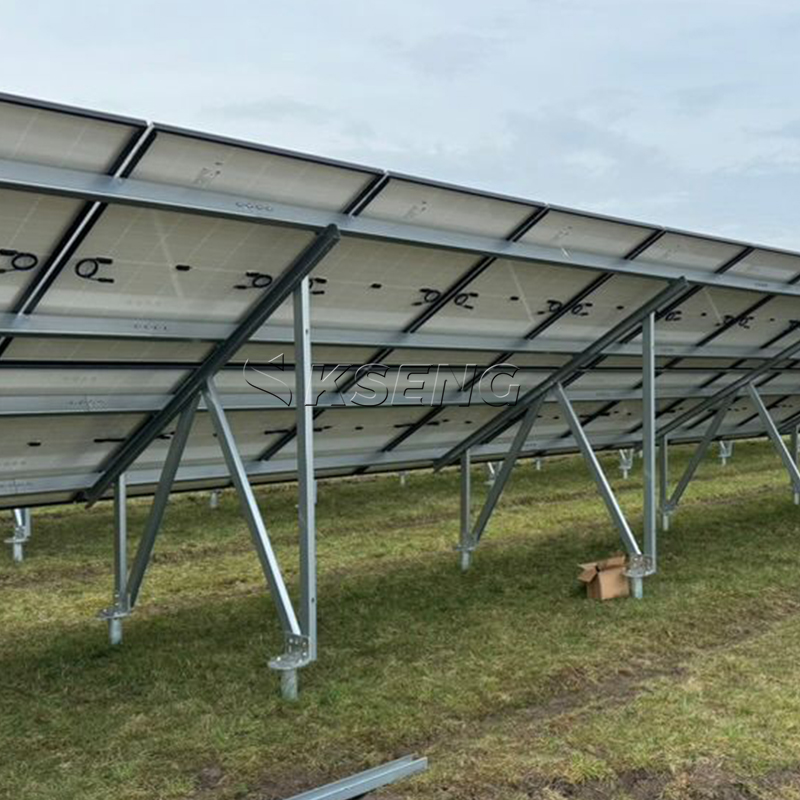
This material is suitable for applications such as solar ground mounting systems, solar farms, and other outdoor PV projects.
Hot-Dip Galvanized Steel Structures
Hot-dip galvanized steel is widely used in solar mounting applications due to its reliable protective coating.
It provides:
Strong surface protection
Good outdoor durability
Cost-effective performance
Aluminum Solar Mounting Structures
Aluminum alloy is another popular material for solar mounting systems because of its lightweight characteristics and natural corrosion resistance.
It is commonly applied in:
Residential solar projects
Commercial PV installations
Corrosion Protection and Long-Term Solar Project Benefits
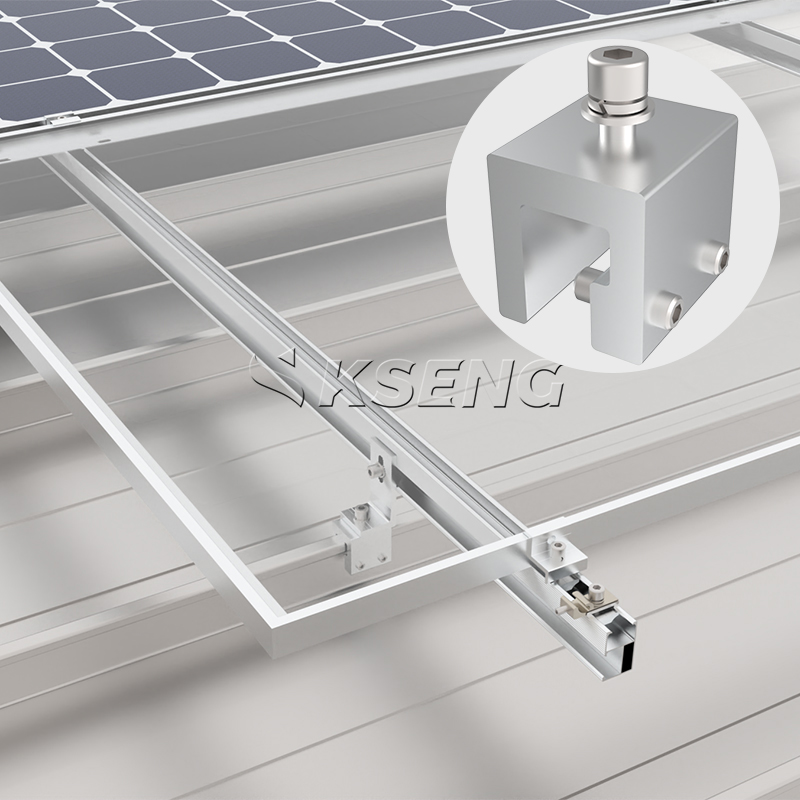
Although corrosion-resistant materials may require a higher initial investment, they can help reduce total project costs throughout the system lifecycle.
A durable solar mounting structure helps lower costs related to:
Regular maintenance
Structural repairs
Component replacement
Project downtime
Selecting the right corrosion protection solution allows solar systems to achieve better durability and more stable operation.
How to Choose a Corrosion-Resistant Solar Mounting System?
When selecting a solar mounting solution, consider the following factors:
1. Project Environment
Different installation locations require different levels of corrosion resistance.
For example:
Coastal areas require stronger salt spray resistance
Humid regions need enhanced corrosion protection
Harsh climates require durable structural solutions
2. Material Selection
The material of a solar mounting system directly affects long-term performance.
Important considerations include:
Corrosion resistance
Weather durability
Structural strength
Service life
3. Manufacturing Quality
A professional solar mounting manufacturer should provide:
Optimized structural design
Reliable material selection
Strict production processes
Customized engineering solutions
High-quality manufacturing helps ensure stable performance throughout the solar project lifecycle.
Conclusion
Corrosion protection is a key factor in reducing solar mounting maintenance costs. By improving durability, extending service life, and minimizing repair requirements, corrosion-resistant solar mounting systems provide a more reliable foundation for photovoltaic projects.
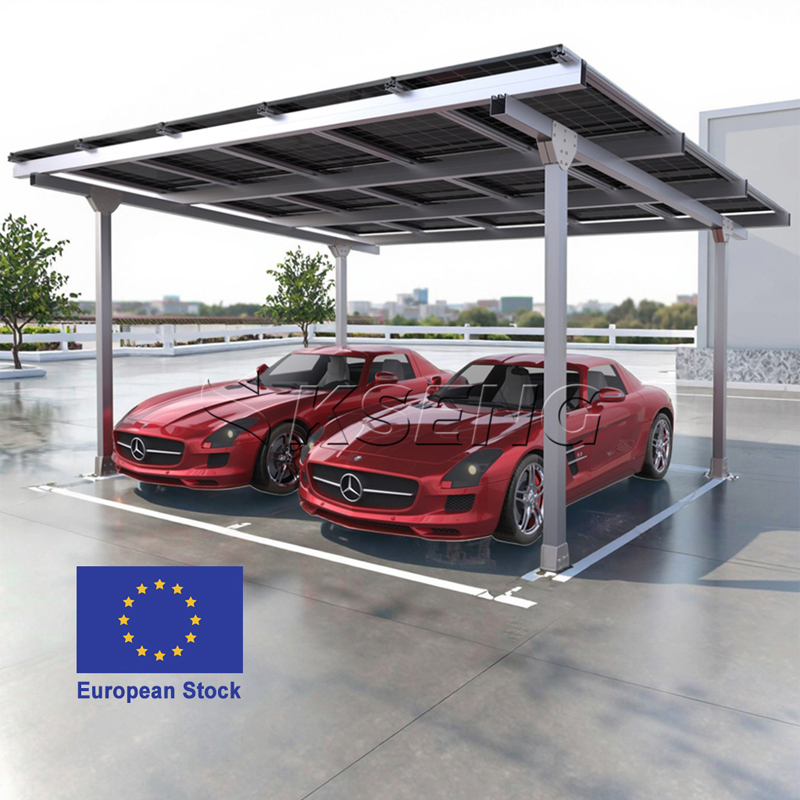
With advanced materials, reliable structural design, and customized engineering solutions, Kseng provides durable solar mounting systems designed for various PV applications, including rooftop solar, ground-mounted PV, agricultural photovoltaic, solar carport, and solar tracking projects. By focusing on quality, durability, and long-term performance, Kseng helps customers build more stable and cost-effective solar energy systems.
FAQs
1. Why is corrosion protection important for solar mounting systems?
Corrosion protection is important because solar mounting systems are continuously exposed to outdoor environments such as rain, humidity, sunlight, and salt spray. Without proper protection, metal components may gradually corrode, affecting structural strength and increasing maintenance costs. A corrosion-resistant solar mounting system helps improve durability and ensures long-term PV system reliability.
2. How does corrosion affect solar mounting system performance?
Corrosion can weaken important components such as mounting rails, brackets, fasteners, and connection points. Over time, rust and material degradation may reduce structural stability and increase the need for inspection, repair, or replacement. Effective corrosion protection helps maintain stable performance throughout the solar project lifecycle.
3. Can corrosion protection reduce solar mounting maintenance costs?
Yes. Corrosion protection helps reduce maintenance costs by extending the service life of solar mounting structures and minimizing component damage. Durable materials and protective coatings reduce repair frequency, replacement requirements, and labor costs, helping solar projects achieve better long-term economic benefits.
4. What are the best materials for corrosion-resistant solar mounting systems?
Common corrosion-resistant materials for solar mounting systems include Zn-Al-Mg coated steel, hot-dip galvanized steel, and aluminum alloy.
Zn-Al-Mg coated steel provides enhanced corrosion resistance and long-term outdoor durability.
Hot-dip galvanized steel offers reliable surface protection and cost-effective performance.
Aluminum solar mounting structures provide lightweight characteristics and natural corrosion resistance.
The best choice depends on project location, environmental conditions, and structural requirements.
5. How can I choose the right corrosion-resistant solar mounting system?
When selecting a corrosion-resistant solar mounting system, consider:
Installation environment and corrosion risks
Required service life
Material performance
Structural strength
Manufacturer experience and production quality
Working with a professional solar mounting manufacturer helps ensure the system meets specific project requirements.
6. Why should solar project owners invest in durable mounting structures?
Durable solar mounting structures help protect solar panels, improve system stability, and reduce unexpected maintenance expenses. By choosing corrosion-resistant solutions, project owners can achieve more predictable operating costs and better long-term energy production performance.



