
Views: 0 Author: Site Editor Publish Time: 2026-10-10 Origin: Site


Introduction
A solar ground mounting system provides essential structural support for photovoltaic (PV) panels. Its service life directly affects system reliability, maintenance costs, and the long-term return on investment of a solar project.
Several factors influence the durability of solar ground mounting structures, including material quality, corrosion resistance, foundation design, environmental conditions, and installation quality. Understanding these factors helps project developers choose a reliable solar mounting solution.
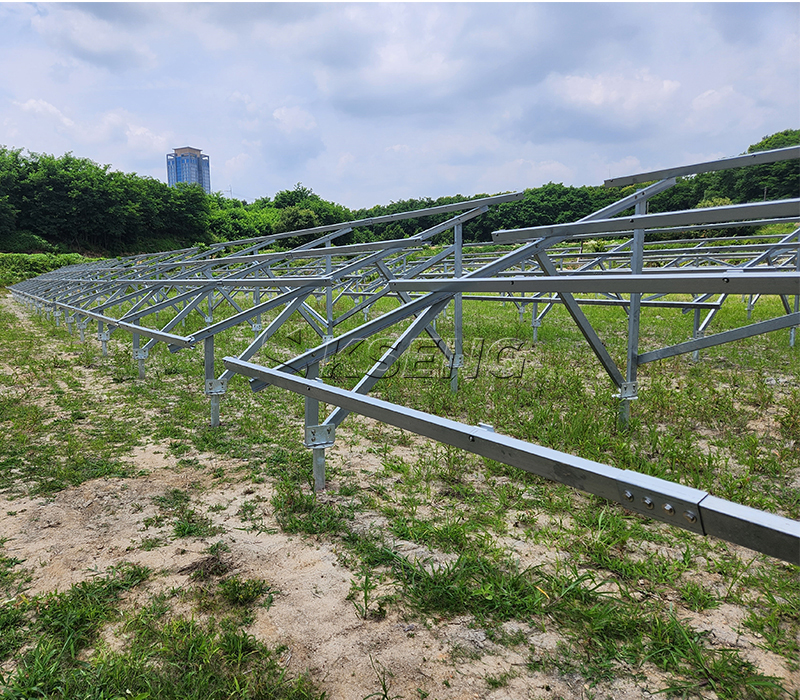
1. Material Quality and Selection
The materials used in a solar ground mounting system significantly affect its strength, durability, and resistance to environmental exposure.
Common materials include:
Aluminum alloy: Lightweight, naturally corrosion-resistant, and suitable for various solar mounting applications.
Hot-dip galvanized steel: Offers high structural strength and protective zinc coating for outdoor use.
Zn-Al-Mg coated steel: Provides enhanced corrosion protection for suitable structural applications.
Material selection should consider structural loads, local climate, soil conditions, and project requirements.
2. Corrosion Resistance
Corrosion is one of the major factors affecting the service life of solar ground mounting systems. Prolonged exposure to moisture, humidity, coastal salt, and corrosive soil can gradually damage metal components.
To improve durability, project owners should consider appropriate protective coatings, suitable materials, and effective drainage design.
Regular inspections can also help identify coating damage, rust, or corrosion around foundations and connection points before these issues become more serious.
3. Foundation Design and Soil Conditions
The foundation transfers structural loads from the solar mounting system to the ground. Poor foundation design or unsuitable soil conditions can compromise long-term stability.
Important considerations include:
Soil bearing capacity and composition
Foundation depth and installation method
Wind uplift and lateral loads
Groundwater levels and drainage
Soil erosion and potential ground movement
Geotechnical investigations and project-specific engineering calculations help ensure the foundation meets the requirements of the installation site.
4. Structural Design and Load Capacity
A properly designed solar ground mounting structure must withstand environmental loads throughout its intended service life.
Wind pressure, snow accumulation, and temperature changes can affect structural performance. Inadequate member sizing, weak connections, or insufficient load capacity may increase the risk of deformation or structural failure.
Selecting a solar mounting system designed according to applicable local codes and project-specific load requirements helps improve long-term reliability.
5. Installation Quality
Even high-quality solar mounting materials may experience premature problems if installation is not performed correctly.
Common installation issues include improperly driven piles, loose fasteners, incorrect alignment, damaged protective coatings, and inadequate foundation installation.
Following approved installation procedures, using appropriate tools, and checking critical connections help reduce structural risks and maintain system stability.
6. Environmental and Climate Conditions
Local environmental conditions have a direct impact on solar mounting system durability.
For example, coastal areas may experience accelerated corrosion due to salt exposure, while regions with heavy snowfall require suitable structural load capacity. High temperatures and repeated temperature changes can also affect materials and connections over time.
Choosing materials and structural designs suited to the local environment helps improve the service life of ground-mounted solar systems.
7. Maintenance and Regular Inspection
Although solar ground mounting systems are designed for long-term outdoor use, periodic inspections remain important.
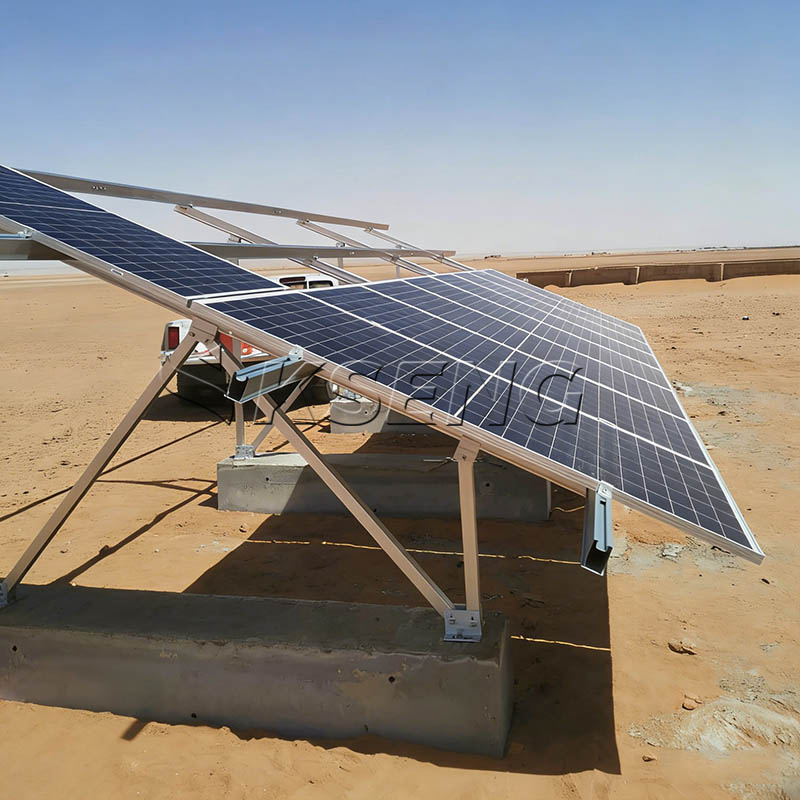
Recommended inspection points include:
Corrosion and coating damage
Loose or damaged fasteners
Foundation settlement or soil erosion
Structural deformation
Drainage problems around support posts
Timely maintenance helps detect potential issues early and reduces the likelihood of costly repairs.
8. Manufacturing Quality and Quality Control
Manufacturing quality also influences the durability of solar ground mounting structures. Inconsistent dimensions, poor welding, inadequate coating thickness, and defective components can affect assembly accuracy and structural performance.
Working with a reliable solar mounting system manufacturer that follows strict production quality standards helps ensure consistent product quality, reliable performance, and long-term system durability.
Conclusion
The service life of a solar ground mounting system depends on several interconnected factors, including material selection, corrosion protection, foundation design, structural strength, installation quality, and maintenance.
Choosing durable materials such as aluminum alloy, galvanized steel, or Zn-Al-Mg coated steel can help address different project requirements. Combined with proper engineering and regular inspections, these measures support reliable long-term solar mounting performance and help reduce lifecycle costs.
FAQs
1. Which material is best for solar ground mounting systems?
Aluminum alloy, hot-dip galvanized steel, and Zn-Al-Mg coated steel are common choices. The best option depends on load requirements, corrosion exposure, site conditions, and budget.
2. How can corrosion be reduced in solar mounting structures?
Select suitable corrosion-resistant materials and coatings, avoid incompatible material combinations, provide proper drainage, and inspect exposed components regularly.
3. Does installation quality affect the service life of a solar mounting system?
Yes. Correct foundation installation, secure connections, proper alignment, and protection of coated surfaces help maintain structural stability and durability.
4. How do wind and snow loads affect solar ground mounting systems?
Wind and snow create additional structural loads. A properly engineered mounting system must meet local design requirements to maintain stability under expected environmental conditions.
5. How can buyers choose a durable solar ground mounting system?
Buyers should evaluate material quality, corrosion resistance, foundation compatibility, structural load capacity, manufacturing standards, and supplier experience to select a system suited to their project conditions.



