
Views: 0 Author: Site Editor Publish Time: 2026-05-29 Origin: Site


Proper installation is the foundation of a reliable solar energy system. Even high-quality panels and solar mounts can underperform or fail early if installation mistakes are made. These errors often lead to reduced efficiency, structural instability, and higher maintenance costs.
This guide explains how to avoid common installation mistakes in solar mounting systems using simple, practical best practices.
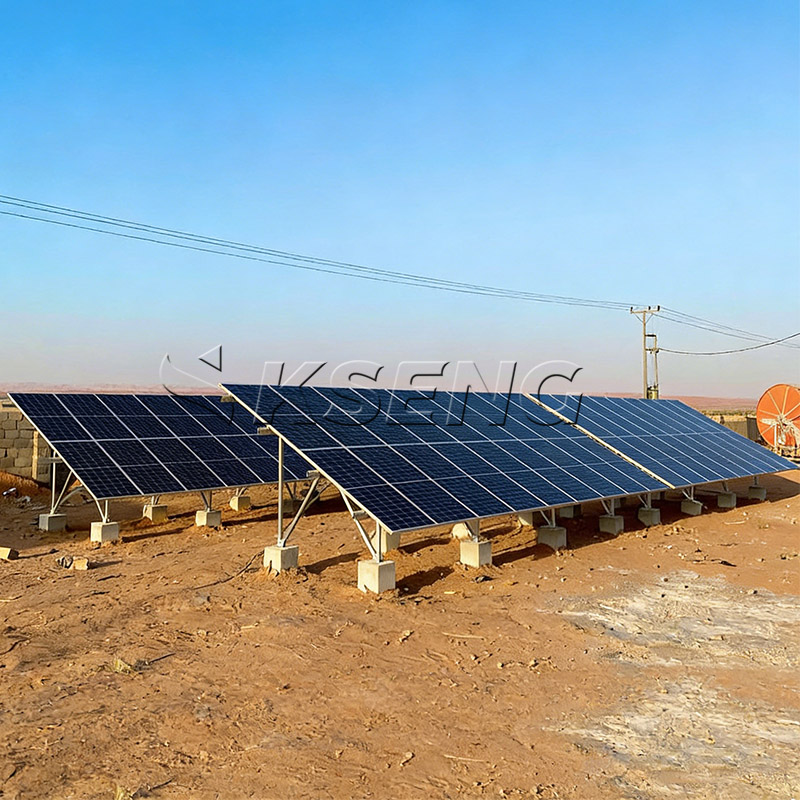
Why Proper Installation Matters
Solar brackets are responsible for holding panels securely against wind, rain, and long-term structural stress. Poor installation can cause:
Loose or unstable panels
Roof leaks or foundation issues
Misalignment and reduced energy output
Premature wear of components
Avoiding mistakes during installation ensures long-term safety and performance.
1. Avoid Incorrect Site Assessment
One of the most common mistakes is skipping proper site evaluation.
Problems caused:
Unexpected shading from buildings or trees
Weak roof or soil conditions
Poor sun exposure orientation
Solution:
Always analyze:
Sun path
Shading conditions
Structural load capacity
A proper site check prevents most future issues.
2. Do Not Ignore Proper Tilt and Orientation
Incorrect angles reduce system efficiency significantly.
Best practices:
Face panels toward true south (Northern Hemisphere) or true north (Southern Hemisphere)
Adjust tilt based on local latitude
Avoid random or estimated positioning
Even small angle errors can reduce output by 10% or more.
3. Avoid Using Low-Quality Components
Material quality directly affects system lifespan.
Common mistakes:
Using non-certified mounts
Mixing incompatible metals
Choosing low-grade fasteners
Solution:
Use:
Anodized aluminum or galvanized steel
Corrosion-resistant stainless steel bolts and anodized aluminum clamps
Certified solar panel mounting systems
4. Avoid Improper Fastening
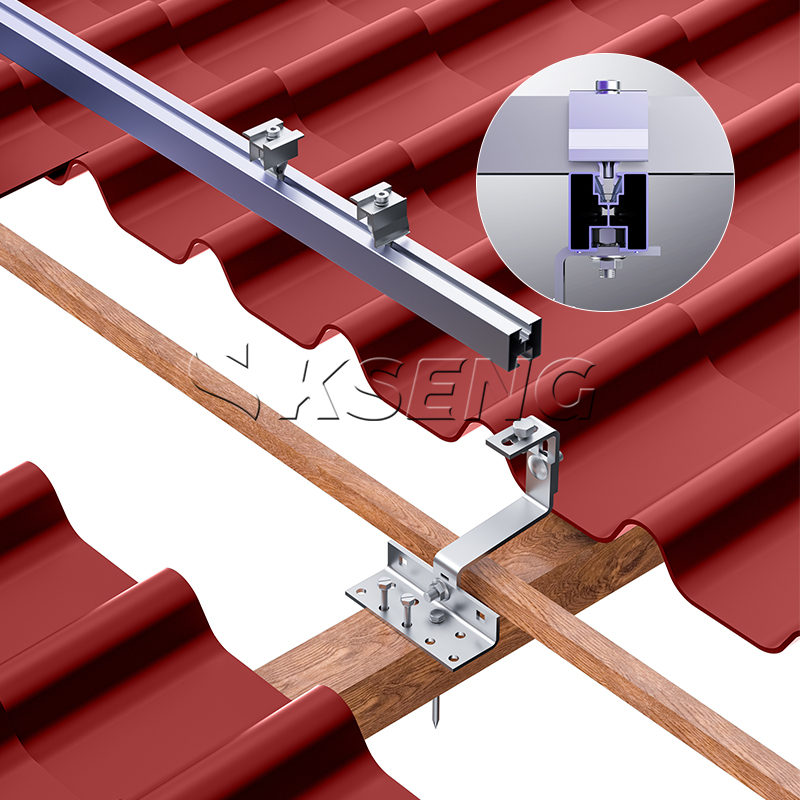
Incorrect torque application is a major installation issue.
Risks:
Over-tightening: structural damage
Under-tightening: loose panels
Solution:
Use torque tools
Follow manufacturer specifications
Double-check all fasteners after installation
5. Do Not Ignore Wind and Load Requirements
Many installation failures come from ignoring environmental forces.
Problems:
Panel uplift during storms
Structural bending or collapse
Solution:
Follow local wind and snow load standards
Reinforce mounts in high-risk areas
Use engineered designs for large systems
6. Avoid Poor Roof or Ground Preparation
Unstable foundations lead to long-term system failure.
Roof issues:
Weak structure support
Poor waterproof sealing
Ground issues:
Soft or uneven soil
Poor drainage
Solution:
Prepare and reinforce the installation base before mounting.
7. Avoid Incorrect Panel Spacing
Improper spacing causes shading and airflow problems.
Issues:
Self-shading between rows
Overheating due to poor ventilation
Solution:
Design spacing based on tilt angle
Use layout simulation tools
Maintain proper clearance in ground systems
8. Do Not Skip Post-Installation Inspection
Many problems appear immediately after installation.
Risks:
Loose bolts unnoticed
Misaligned panels
Early structural issues
Solution:
Perform a full system inspection after installation is complete.
Conclusion
Avoiding common installation mistakes in solar mount systems is essential for long-term performance, safety, and efficiency. By focusing on proper site assessment, correct installation techniques, high-quality materials, and thorough inspections, you can significantly reduce risks and improve system reliability.
A well-installed solar mounting system ensures stable energy production for decades with minimal maintenance.



