
Views: 0 Author: Site Editor Publish Time: 2026-06-12 Origin: Site


Meta Title: How Tilt Angle Optimization Boosts Solar Panel Efficiency
Meta Description: Learn how solar tilt angle optimization improves panel efficiency, increases energy output year-round, and enhances ROI for residential, commercial, and solar farm installations.
How Tilt Angle Optimization Boosts Panel Efficiency?
Solar energy systems rely on one key principle: maximizing sunlight exposure. While solar panel quality and inverter performance are important, one of the most influential factors affecting energy output is often overlooked—tilt angle optimization.
The angle at which solar panels are installed directly impacts how much sunlight they can capture throughout the day and across different seasons. Proper tilt angle design can significantly improve system efficiency, increase energy yield, and enhance long-term return on investment.
In this article, we explain how tilt angle optimization works and why it plays a critical role in boosting solar panel efficiency.
What Is Tilt Angle Optimization in Solar Systems?
Tilt angle optimization refers to adjusting the angle of solar panels relative to the ground to achieve maximum sunlight exposure. The goal is to align panels as closely as possible with the sun’s path.
A properly optimized tilt angle helps:
Capture more direct sunlight
Reduce reflection losses
Improve seasonal energy balance
Increase overall system output
The optimal angle varies depending on geographic location, season, and installation type.
1. Maximizing Solar Irradiance Exposure
The primary benefit of tilt angle optimization is maximizing solar irradiance capture.
When panels are positioned correctly:
Sunlight hits the panel surface more directly
Energy conversion efficiency increases
Morning and afternoon performance improves
Flat or poorly angled panels often miss a significant portion of available sunlight, especially during low sun-angle periods.
Even a small adjustment in tilt can lead to noticeable improvements in annual energy production.
2. Improving Year-Round Energy Balance
Solar energy production naturally fluctuates across seasons due to changes in the sun’s position.
Tilt angle optimization helps balance these variations:
Winter: Steeper tilt captures lower sun angles
Summer: Shallower tilt prevents overheating and improves exposure balance
Spring/Fall: Optimized angles stabilize output
This ensures more consistent energy generation throughout the year rather than seasonal spikes and drops.
3. Reducing Dust, Snow, and Debris Accumulation
Panel cleanliness directly affects efficiency. Tilted panels naturally reduce buildup of:
Dust and sand
Leaves and debris
Snow accumulation
When debris is minimized:
Light absorption improves
Maintenance frequency decreases
Long-term efficiency remains stable
In regions with snowfall, optimized tilt angles can significantly improve winter performance by allowing snow to slide off naturally.
4. Enhancing Cooling and Thermal Efficiency
Solar panels lose efficiency as they overheat. Tilt angle optimization improves airflow behind panels, which helps:
Reduce surface temperature
Improve heat dissipation
Maintain stable electrical output
Better cooling can help prevent heat-related performance losses, especially in hot climates or rooftop installations.
5. Increasing Return on Investment (ROI)
By improving energy output without adding more panels, tilt optimization directly increases financial performance.
Benefits include:
Higher electricity generation per installation
Faster payback period
Reduced cost per kilowatt-hour
Improved long-term system profitability
This makes tilt optimization one of the most cost-effective performance upgrades in solar system design.
6. Location-Based Tilt Angle Design
The optimal tilt angle depends heavily on geographic location.
General guidelines include:
Low latitude regions: Lower tilt angles for year-round balance
High latitude regions: Steeper angles to capture low winter sun
Equatorial regions: Near-flat or slight tilt for consistent exposure
Different regions require different tilt strategies to balance seasonal solar intensity and energy production efficiency.
7. Fixed vs Adjustable Tilt Systems
There are two main approaches to tilt optimization:
Fixed Tilt Systems
Installed at a permanent angle
Lower cost and easier installation
Ideal for residential and commercial rooftops
Adjustable Tilt Systems
Angle can be changed seasonally or manually
Higher efficiency potential
Common in ground-mounted systems
While adjustable systems offer better optimization, fixed systems remain widely used due to simplicity and reliability.
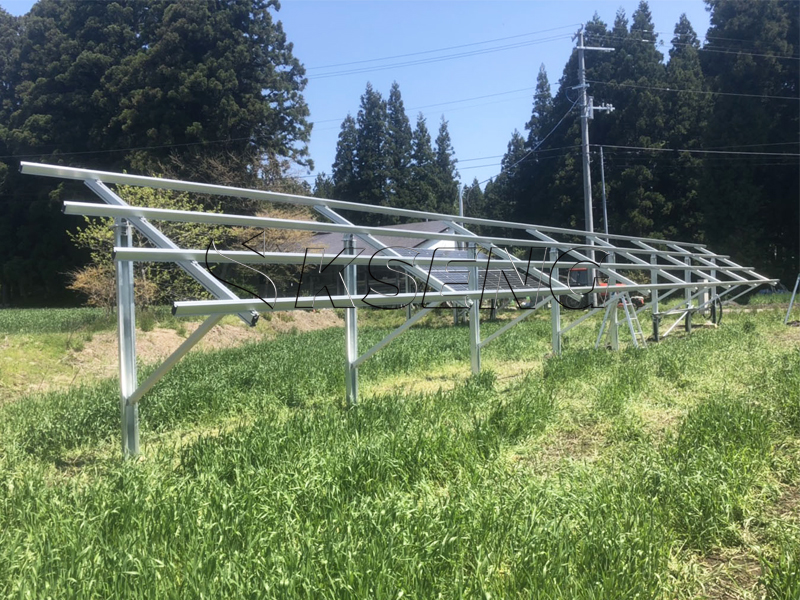
8. Role of Solar Mounting Systems in Tilt Optimization
Tilt angle performance depends heavily on the solar mounting system design.
High-quality solar mounts provide:
Stable angle support under wind and snow loads
Precise engineering for consistent alignment
Without a reliable mounting system, even the best tilt design cannot maintain long-term efficiency.
Conclusion
Tilt angle optimization is one of the most effective yet underestimated ways to improve solar panel efficiency. By ensuring panels are positioned at the optimal angle, solar systems can:
Capture more sunlight
Improve year-round energy stability
Reduce maintenance needs
Enhance cooling performance
Increase overall ROI
Whether for residential rooftops, commercial buildings, or large-scale solar farms, proper tilt design plays a critical role in maximizing solar energy performance.
Tilt optimization remains a key factor in achieving higher efficiency and better sustainability outcomes for all solar installations.



