
Views: 0 Author: Site Editor Publish Time: 2025-12-12 Origin: Site


Introduction
As the demand for sustainable and energy-efficient solutions grows, solar carports have become an increasingly popular choice for property owners. These innovative structures not only provide shelter for vehicles but also generate clean, renewable energy. But how do solar carports compare to traditional carports in terms of functionality, cost, and environmental impact? In this article, we will explore the key differences and benefits of solar carports over their traditional counterparts.
H2: Functional Advantages of Solar Carports
H3: Dual-Purpose Design
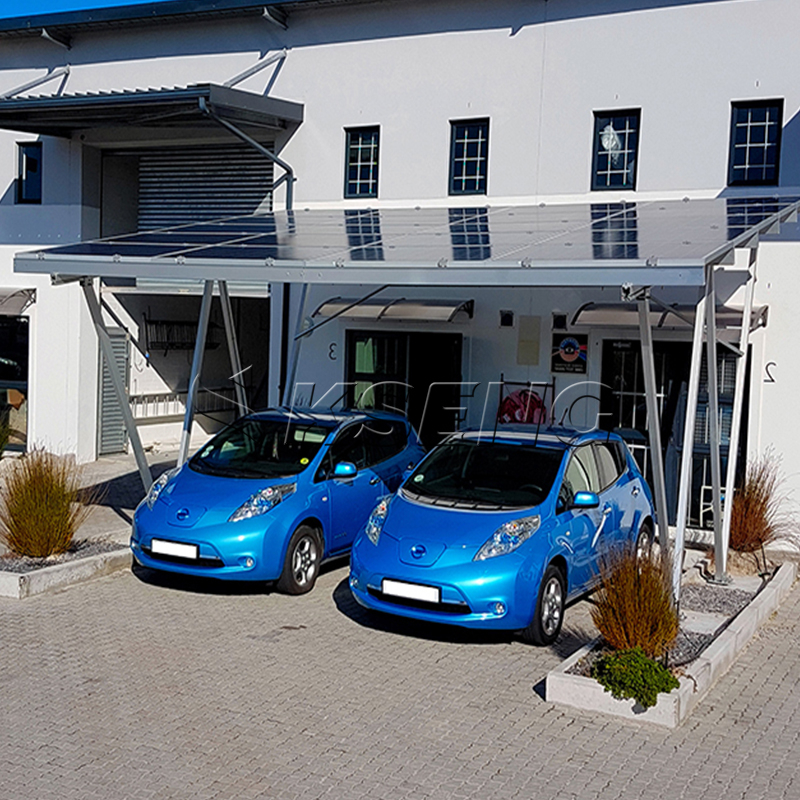
One of the most significant advantages of solar powered carports is their dual-purpose design. Unlike traditional carports, which primarily offer shelter for vehicles, solar carports integrate solar panels into the structure. This design allows them to generate electricity while providing the same protective function. By optimizing the use of space, solar carports offer a practical solution for both energy generation and vehicle protection.
H2: Economic Benefits
H3: Long-Term Cost Savings
While the initial investment in a solar-carport may be higher than that of a traditional carport, the long-term economic benefits are substantial. Solar pv carports can significantly reduce energy bills by generating electricity from the sun. Over time, these savings can offset the initial cost, making solar carports a cost-effective solution. Additionally, solar power carports require minimal maintenance and have a longer lifespan, further reducing long-term costs.
H2: Environmental Impact
H3: Reducing Carbon Footprint
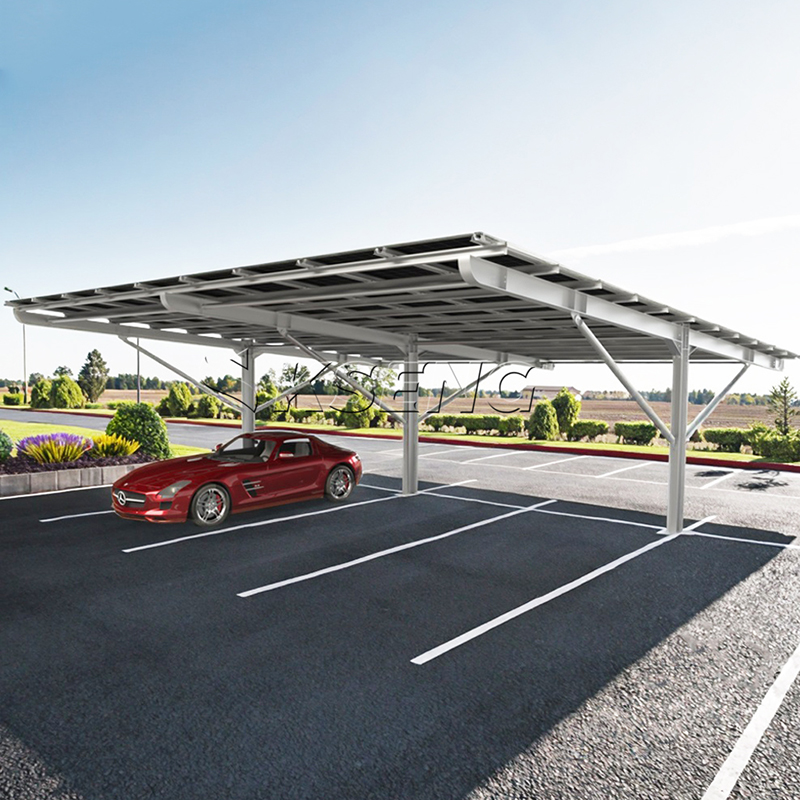
Solar carports contribute to a more sustainable future by generating clean, renewable energy. Unlike traditional carports, which have no direct environmental benefits, solar panel carports help reduce carbon emissions and reliance on fossil fuels. By harnessing solar power, these structures minimize the environmental impact associated with energy production, supporting broader sustainability goals.
H2: Space Optimization
H3: Efficient Use of Limited Space
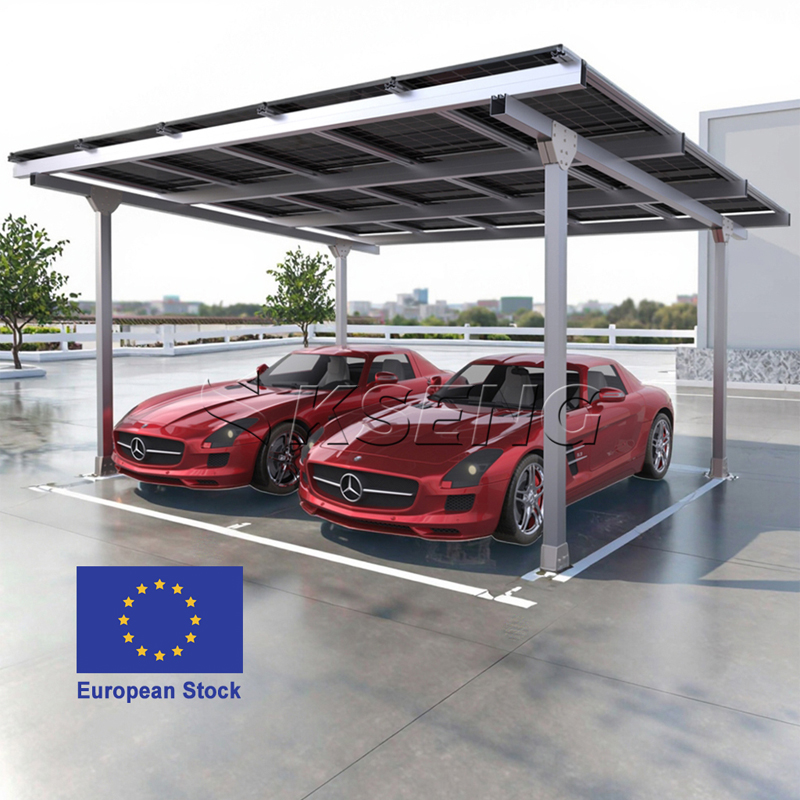
Solar carport mounting systems are particularly advantageous in urban settings where space is limited. By combining the functionality of a carport with solar energy generation, these structures make efficient use of available space. This dual functionality ensures that property owners can maximize the utility of their land without compromising on essential features like vehicle shelter and energy production.
Conclusion
Solar carports offer a multifunctional and sustainable alternative to traditional carports. By combining vehicle protection with renewable energy generation, they provide practical, economic, and environmental benefits. The long-term cost savings and reduced carbon footprint make solar carports a valuable investment for property owners. Whether for residential or commercial use, solar carports represent a forward-thinking solution that aligns with modern energy needs and sustainability goals.
Kseng, a national high-tech enterprise specializes in providing solar racking and tracking systems for residential, commercial, and utility-scale solar applications. Headquartered in Xiamen, China, it owns two production bases in Xiamen and Zhangzhou, Fujian with an annual production capacity of up to 10GW. It integrates five production lines covering aluminum/carbon solar racking, tile roof hook, solar tracker and ground screw, aiming at building a solar racking manufacturing enterprise with a whole industrial chain through vertical integration production.



