
Views: 0 Author: Site Editor Publish Time: 2026-07-03 Origin: Site


As businesses and property owners continue to invest in renewable energy, solar carport systems have become a practical solution for generating clean electricity while making better use of parking areas. A well-designed solar carport mounting system not only supports photovoltaic (PV) panels securely but also helps improve energy efficiency and maximize long-term investment value.
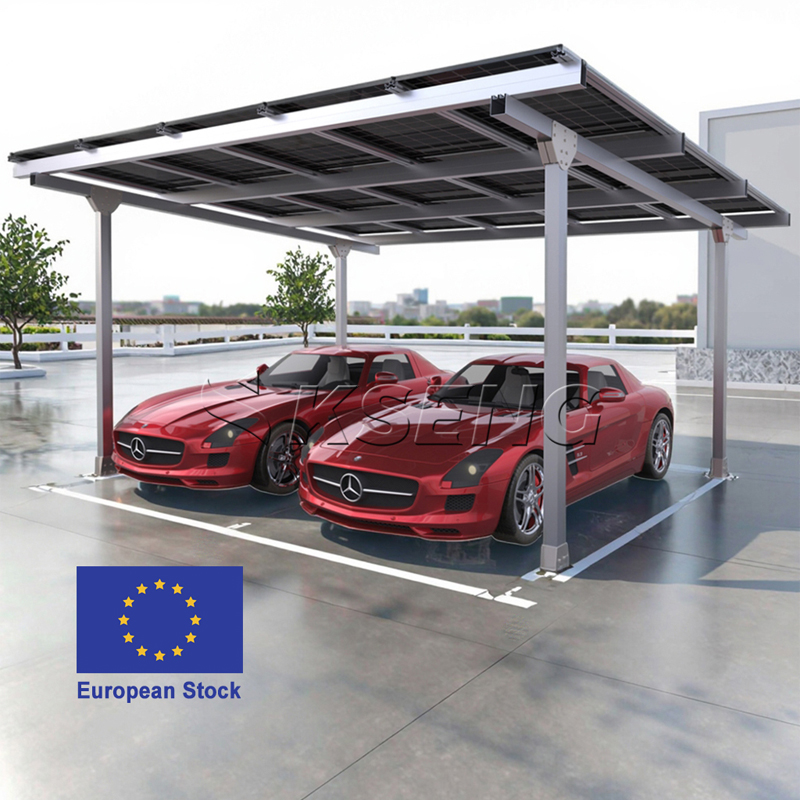
This guide covers everything you should know before installing a solar carport.
What Is a Solar Carport?
A solar carport is a parking structure that supports photovoltaic (PV) panels using a durable solar mounting system. It combines parking facilities with renewable energy generation, allowing businesses and homeowners to maximize available space while reducing electricity costs.
Unlike traditional parking shelters, solar carports offer both functional and environmental benefits by turning parking spaces into clean energy assets.
Key Factors to Consider Before Installation
1. Site Assessment
Evaluate the installation site to ensure there is sufficient sunlight throughout the day. Consider the parking layout, available space, shading from nearby buildings or trees, and local weather conditions.
2. Choosing the Right Solar Mounting System
A high-quality solar mounting system is essential for the stability and safety of a solar power carport. Aluminum solar mounting systems are widely preferred because they offer excellent corrosion resistance, lightweight construction, and long-term durability for outdoor applications. Look for a system that offers:
Strong structural support
Corrosion resistance
Wind and snow load capacity
Easy installation
Long service life
A reliable mounting system helps reduce maintenance while ensuring consistent performance.
3. Selecting the Right Solar Panels
Choose solar panels that match your energy requirements, available installation area, and project budget. High-efficiency PV modules can increase energy production and improve the overall return on investment.
4. Future EV Charging Needs
If your business plans to support electric vehicles, consider designing the solar panel carport with EV charging stations. This allows the system to meet future transportation and energy demands.
5. Local Regulations and Standards
Before installation, verify local building codes, structural requirements, and electrical regulations. Working with an experienced supplier helps ensure the project complies with all applicable standards.
Benefits of Installing a Solar Carport
A well-designed solar powered carport provides multiple long-term advantages, including:
Reduced electricity costs
Better use of existing parking space
Vehicle protection from sun and rain
Increased property value
Lower carbon emissions
Support for sustainable business operations
Improved energy efficiency
Long-term return on investment (ROI)
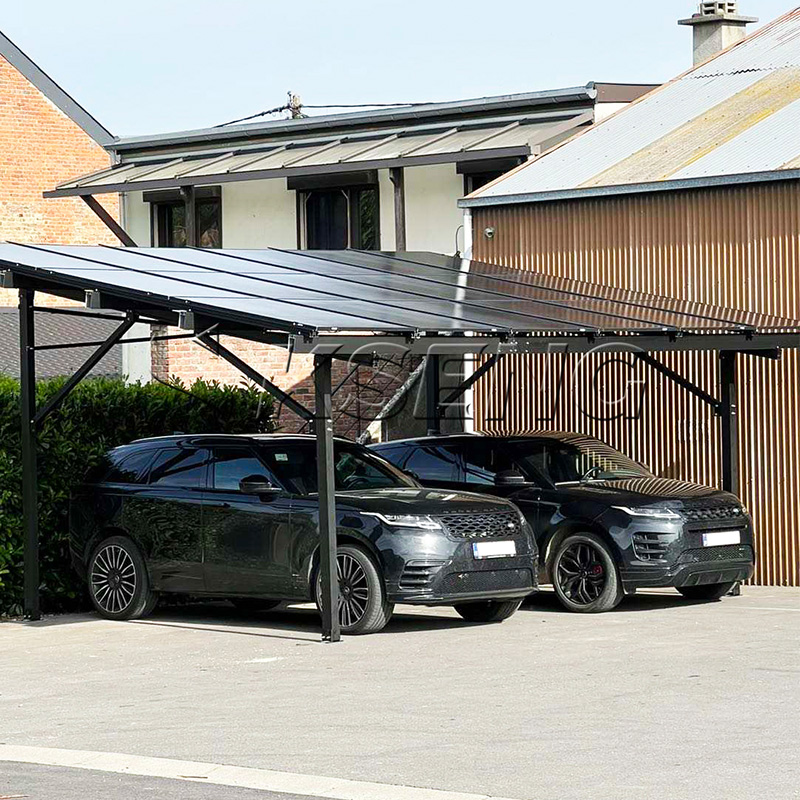
Choosing a Reliable Supplier
Selecting the right supplier is just as important as choosing the right product. Look for a manufacturer with experience in solar mounting systems, strict quality control, and the ability to provide customized solutions for different project requirements.
A reliable supplier can help ensure a smooth installation process and dependable long-term performance.
Conclusion
Installing a solar carport is an effective way to combine clean energy generation with practical parking solutions. By carefully evaluating the installation site, selecting a dependable solar mounting system, and choosing high-quality components, businesses can maximize energy efficiency and achieve long-term value. As demand for renewable energy continues to grow, solar carports have become a smart investment for sustainable commercial development.
FAQs
1. What is a solar carport?
A solar carport is a parking structure equipped with photovoltaic panels supported by a solar mounting system, allowing it to generate clean electricity while providing covered parking.
2. Why is a solar mounting system important?
A solar mounting system provides the structural support for the solar panels, ensuring stability, safety, and reliable performance in various weather conditions.
3. How do weather conditions affect a solar carport?
A well-designed solar carport is engineered to withstand various weather conditions, including strong winds, heavy rain, and snow loads. Choosing a high-quality solar mounting system helps ensure long-term safety and reliable performance.
4. Does a solar carport require regular maintenance?
Solar carports require relatively little maintenance. Periodic inspections, cleaning of photovoltaic panels, and routine checks of the solar mounting system can help maintain optimal energy production and extend the system's service life.
5. Is a solar carport a cost-effective long-term investment?
Yes. Although the initial investment may be higher than a traditional parking structure, a commercial solar carport can reduce electricity costs, improve energy efficiency, and generate long-term value through renewable energy production.



