
Views: 0 Author: Site Editor Publish Time: 2026-06-09 Origin: Site


Static loads: Solar panels, mounting hardware, and ballast (3-4 lbs per sq ft typical).
Dynamic loads: Wind uplift (up to 70m/s in extreme regions), snow accumulation, and seismic activity.
Roof age & condition: Prioritize roofs with 10+ years of remaining life to avoid costly rework.
6005-T6 Marine-Grade Aluminum Alloy: Lightweight (40% lighter than steel), high-strength, and corrosion-resistant. Ideal for 90% of commercial rooftops; anodized coating ensures 25+ years of service life.
Hot-Dip Galvanized Steel: For heavy-duty applications (high wind/snow zones, coastal areas). Provides superior structural rigidity and 3000-hour salt spray certification (ISO 9227).
Corrosion-Resistant Fasteners: Stainless steel (304/316) bolts and clamps to prevent rust-induced loosening.
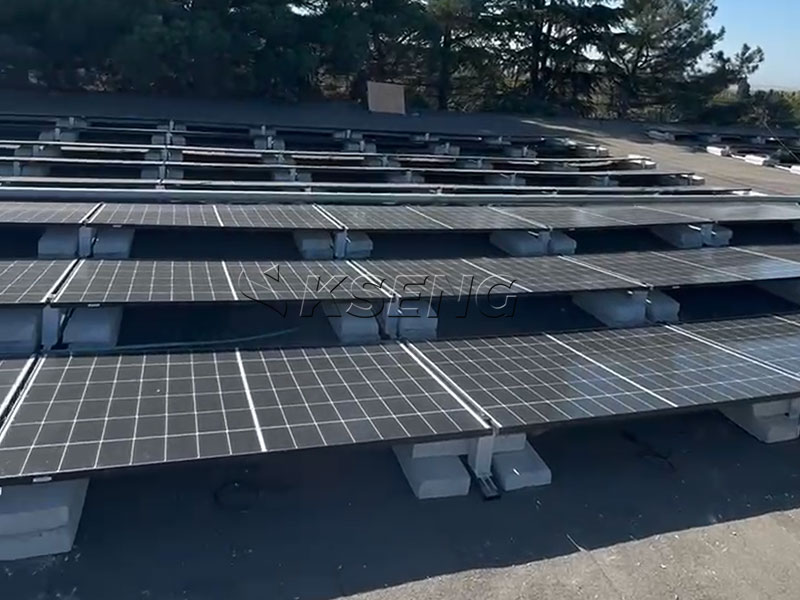
Ballasted Systems: Non-penetrating, using precast concrete blocks (50-80kg each) to secure rails. Preserves roof waterproofing; ideal for roofs with strict no-drill policies.
Penetrating Racks: For high wind zones. Use stainless steel anchors with EPDM gaskets to seal holes and prevent leaks.
Tilt Angle Optimization: 10°-30° adjustable tilt to maximize sunlight absorption; aerodynamic design reduces wind uplift by 45%.
Non-Penetrating Clamps: Directly fasten to roof seams without drilling, eliminating leak risks. For standing seam roofs, use 200N+ clamping force brackets.
Rail Layout: Parallel to roof ridges for optimal load distribution; avoid overhangs to prevent wind damage.
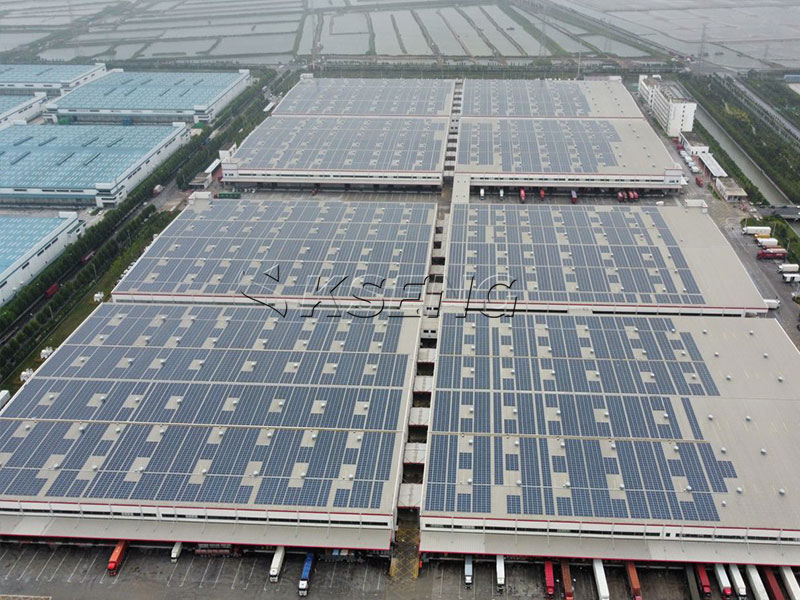
Adhesive/Weight-Distributed Mounts: Avoid penetrations to protect waterproof membranes. Use UV-resistant EPDM pads under mounting bases to prevent membrane degradation.
Aerodynamic Rail Profiles: Reduce wind resistance; TÜV-certified for 70m/s (252km/h) winds.
Perimeter Reinforcement: Add extra clamps/ballast along roof edges (high wind shear zones).
Snow Load Calculation: Design for local snow loads (1.5kN/m² typical); elevated rail design prevents snow accumulation under panels.
No-Penetration Priority: Use clamps/ballast whenever possible.
Sealing Penetrations: For drilled anchors, apply butyl rubber tape + polyurethane sealant; install flashing to direct water away.
Drainage Optimization: Ensure mounting layout doesn’t block roof drains; avoid ponding water that weakens membranes.
Pre-Assembly: Pre-cut rails and pre-assemble components in the factory to reduce on-site labor and errors.
Level Alignment: Use laser levels to ensure rails are horizontal (±2mm/m) for uniform panel spacing and stress distribution.
Torque Compliance: Tighten bolts to manufacturer specifications (e.g., 25-30Nm for aluminum rails) to prevent loosening or over-tightening damage.
Post-Installation Inspection: Check all connections, sealants, and drainage; perform a wind uplift test for high-risk zones.
IEC 61586: Solar mounting structural safety standards.
TÜV SÜD Certification: Wind and snow load resistance verification.
Local Building Codes: Adapt designs to regional seismic, wind, and snow regulations.



